

Dental implant surgery is an incredible, life-altering treatment option for those with missing or damaged teeth. However, the surgery itself may be less invasive, but the healing time following implant surgery is critical to the success of the dental implant. Ultimately, successful healing after dental implant surgery will determine the outcome of your new smile.
If you have recently undergone dental implant surgery, it is essential that you understand and follow a specific recovery routine. The road to recovery after dental implant surgery may seem daunting at first, but you will breeze through the entire process. Here are some vital recovery tips that every dental implant surgery patient should be aware of to heal efficiently.
Understanding Implant Dentistry and Your Recovery Journey
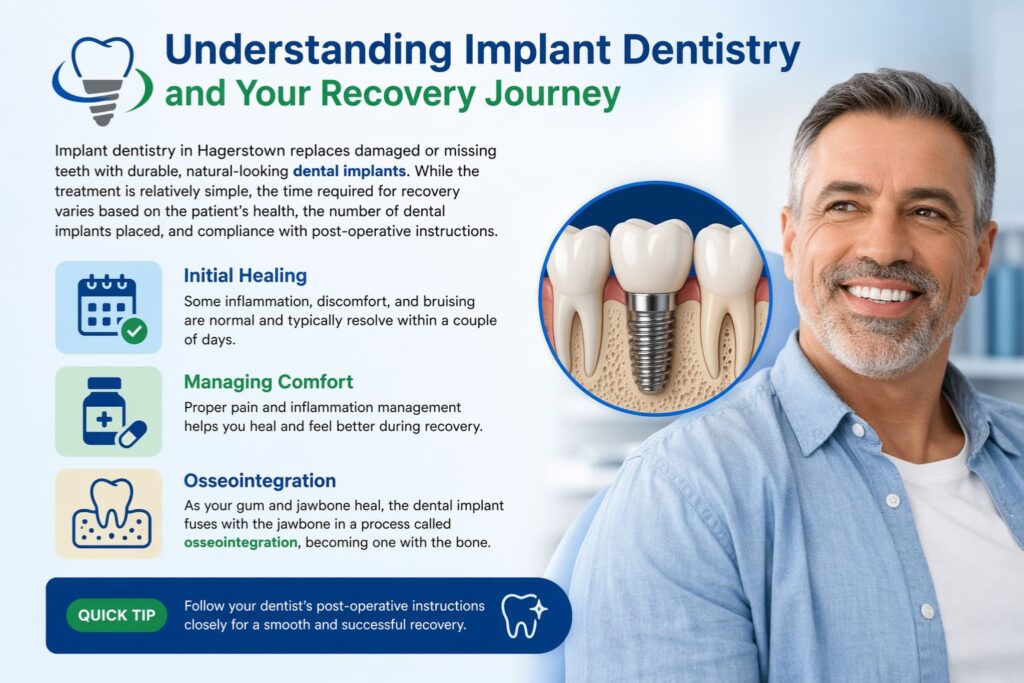
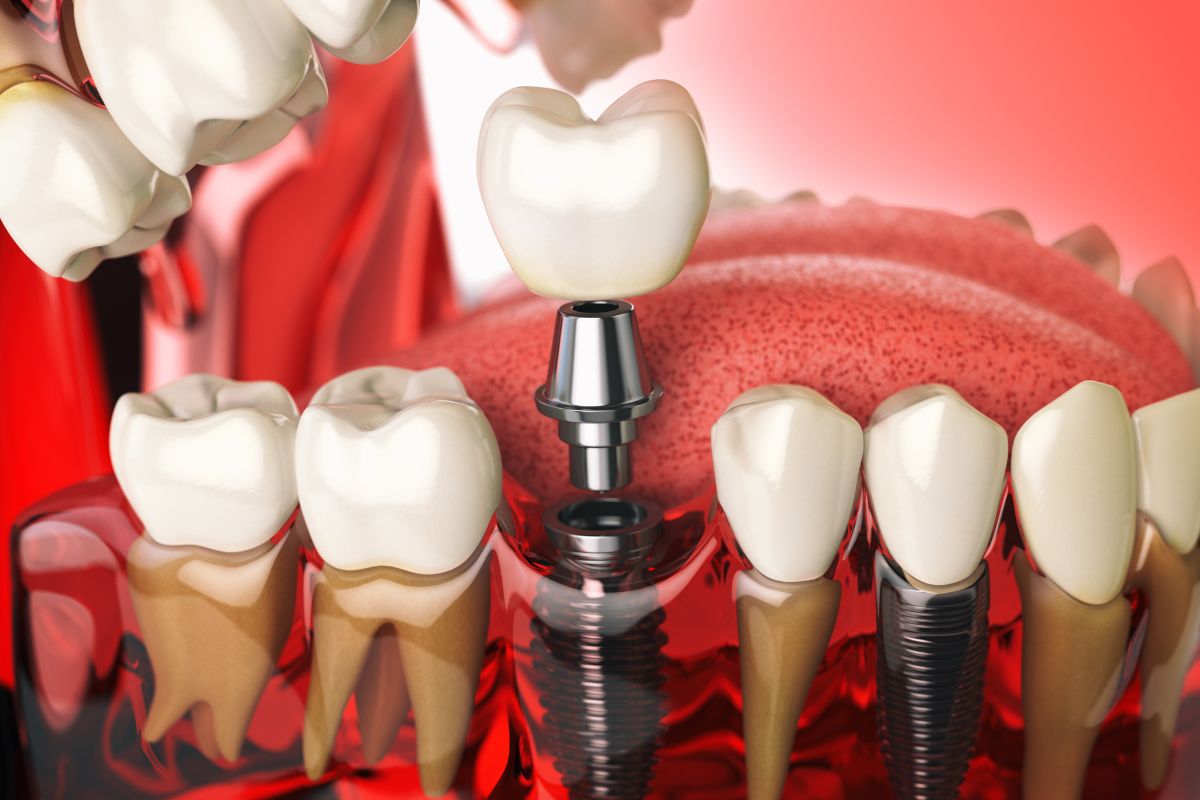
Implant dentistry in Hagerstown replaces damaged or missing teeth with durable, natural-looking dental implants. While the treatment is relatively simple, the time required for recovery varies based on the patient’s health, the number of dental implants placed, and compliance with post-operative instructions.
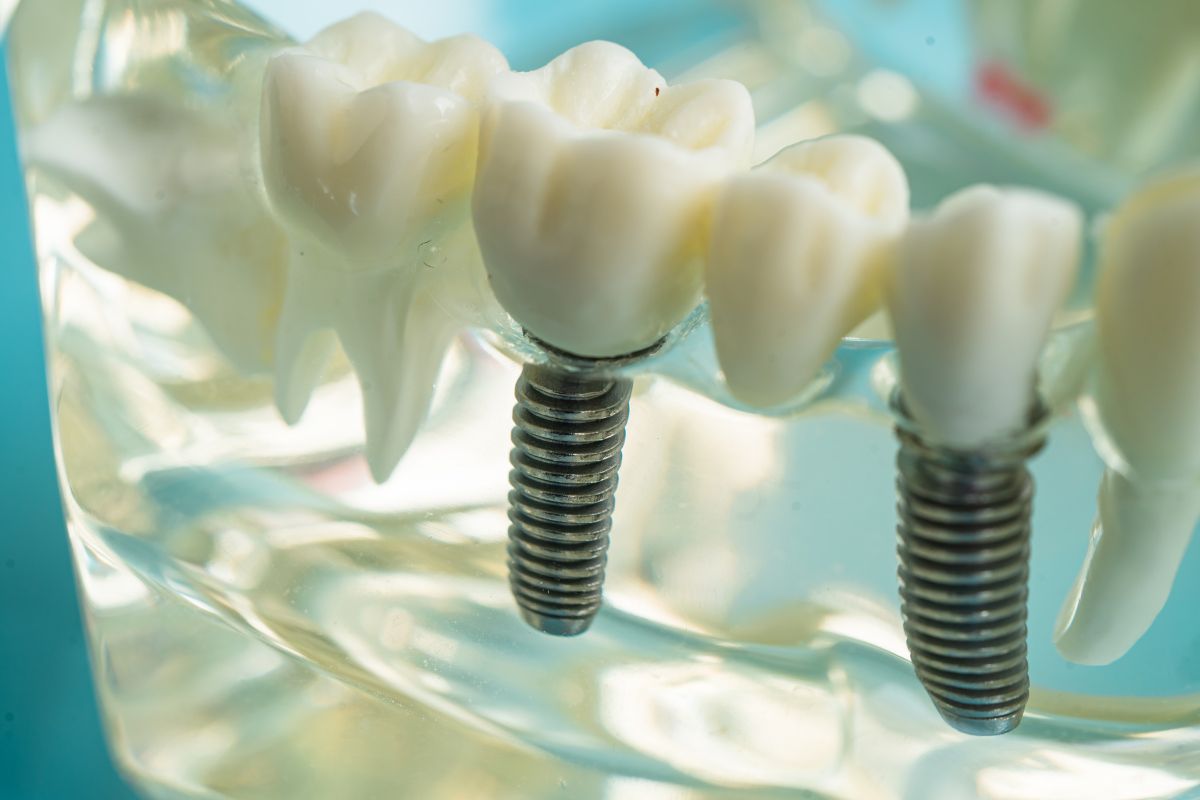
Post-surgery, some inflammation, discomfort, and bruising are normal and typically resolve within a couple of days. Managing pain and inflammation while the gum and jawbone heal is the most important focus during recovery. This is when dental implants in Hagerstown integrate with the jawbone, a process known as osseointegration, becoming one with the bone.
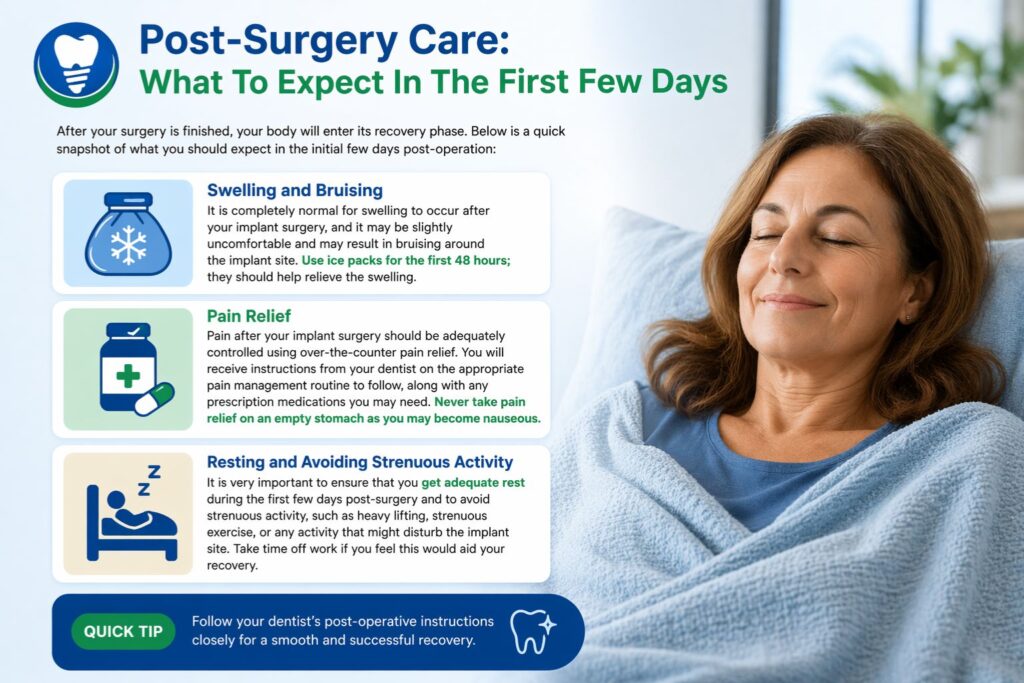
Post-Surgery Care: What To Expect In The First Few Days
After your surgery is finished, your body will enter its recovery phase. Below is a quick snapshot of what you should expect in the initial few days post-operation:
- Swelling and Bruising: It is completely normal for swelling to occur after your implant surgery, and it may be slightly uncomfortable and may result in bruising around the implant site. Use ice packs for the first 48 hours; they should help relieve the swelling.
- Pain Relief: Pain after your implant surgery should be adequately controlled using over-the-counter pain relief. You will receive instructions from your dentist on the appropriate pain management routine to follow, along with any prescription medications you may need. Never take pain relief on an empty stomach as you may become nauseous.
- Resting and Avoiding Strenuous Activity: It is very important to ensure that you get adequate rest during the first few days post-surgery and to avoid strenuous activity, such as heavy lifting, strenuous exercise, or any activity that might disturb the implant site. Take time off work if you feel this would aid your recovery.
Post-Surgery Care: What to Expect in the First Few Days
During the few days after your implant surgery, you will have to consider changing your diet temporarily to promote comfort and healing. Think of following these few dietary points during the first few days:
- Soft Foods: Focus on foods that require little chewing. For example, mashed potatoes, soup, smoothies, and yogurt. Avoid hard, crispy, or chewy foods, as they may disrupt your surgical site.
- Stay Hydrated: Make sure you drink enough water throughout the period to support your recovery. Do not drink liquids through a straw, as the suction could dislodge your blood clot and prolong healing.
- Avoid Hot And Spicy Foods: It is a good idea to avoid hot or spicy foods during the first few days post-surgery to prevent irritation of your mouth or surgical site.
Maintaining Oral Hygiene After Dental Implant Surgery
After surgery, it will be important to maintain a healthy, clean mouth to prevent infection and ensure your implant integrates well. You will need to take particular care when cleaning the mouth following dental surgery. Some things to bear in mind:
- Brush Gently: You can brush your teeth as usual; just avoid the implant site for the first few days and use a soft-bristled toothbrush, as you do not want to aggravate the area. You may have to wait a number of days after the surgery before you can brush your teeth again with normal strength.
- Saltwater Rinses: After the first 24 hours after surgery, rinse your mouth several times a day with warm, salty water to help prevent infection and soothe the area.
- Avoid Flossing The Wound Area: For the first few days, it is wise to avoid flossing around the surgical wound to prevent disturbance. Once again, your dentist will advise you when you will be allowed to do this again.
Taking Care of the Surgical Site
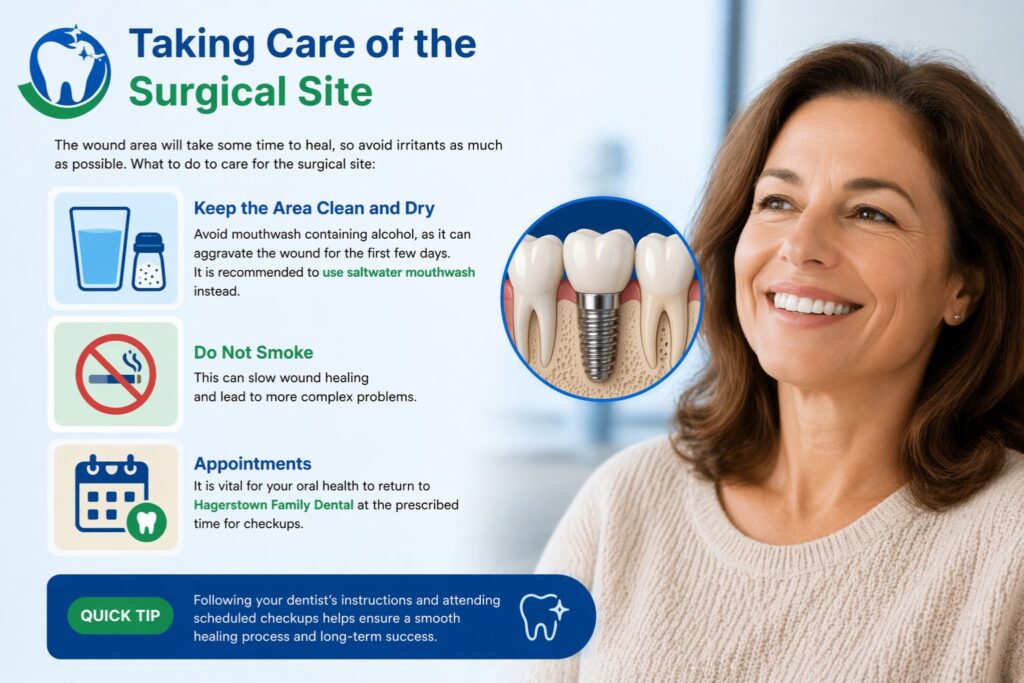
The wound area will take some time to heal, so avoid irritants as much as possible. What to do to care for the surgical site:
- Keep the Area Clean and Dry: Avoid mouthwash containing alcohol, as it can aggravate the wound for the first few days. It is recommended to use saltwater mouthwash instead.
- Do Not Smoke: This can slow wound healing and lead to more complex problems.
- Appointments: It is vital for your oral health to return to Hagerstown Family Dental at the prescribed time for checkups.
Long-Term Care and Maintenance
Although the first few days are very important, the long-term health of your implant depends largely on how you care for it during the weeks and months ahead. Remember to:
- Attend Follow-Up Visits: During these checkups, your implant dentist will ensure your implant is healthy and that you do not have any issues with it or your surrounding gum tissue. They will be able to watch for any signs of infection.
- Be Patient: The bone remodeling process, called osseointegration, in which the implant is fused with your bone, will take several months. This process is important, and it is necessary to be patient while it occurs.
- Protect Your Implants: For patients involved in certain sports or activities that may damage oral structures, mouthguards must be worn during these activities.
Care Now for a Lifetime of Smiles
Dental implant surgery is the latest advancement in restorative dentistry. Taking good care of your implants after surgery by following your dentist’s aftercare instructions is important. Maintaining a soft diet, practicing proper oral hygiene, and attending follow-up appointments can ensure a speedy, successful recovery and a lasting, functional smile.
If you have any questions about your post-surgical care or are experiencing any unusual discomfort, contact Hagerstown Family Dental immediately. Call us today to schedule an appointment and take the first step towards a beautiful, comfortable smile.
Questions People Ask About Dental Implant Surgery
How long will my recovery take after dental implant surgery?
Recovery time varies, but most patients experience significant improvement within a few days. Full healing and osseointegration of the implant can take several months. Follow your dentist’s guidelines for a smooth, timely recovery.
Can I brush my teeth after dental implant surgery?
You can brush your teeth, but avoid the implant area during the first few days. Use a soft-bristled toothbrush to gently clean around the site and avoid irritation. Follow your dentist’s instructions for optimal healing.
When can I eat solid foods again after implant surgery?
Stick to soft foods for the first few days to avoid discomfort and protect the surgical site. Gradually reintroduce solid foods as the implant site heals, avoiding hard, crunchy, or chewy foods for a few weeks.
Is it normal to have swelling after dental implant surgery?
Yes, swelling is a common side effect after implant surgery. It usually peaks within 48 hours and begins to subside after that. Applying ice to the area in the first 48 hours can help reduce swelling.
How can I manage pain after implant surgery?
Pain can be managed with over-the-counter pain relievers or prescribed medication. It’s important to follow your dentist’s instructions for pain management to stay comfortable and support the healing process during your recovery.
When should I schedule my follow-up appointment?
Your first follow-up appointment is usually scheduled within a week of surgery. Additional checkups will be necessary to monitor the healing process, ensure proper implant integration, and address any concerns that arise during recovery.