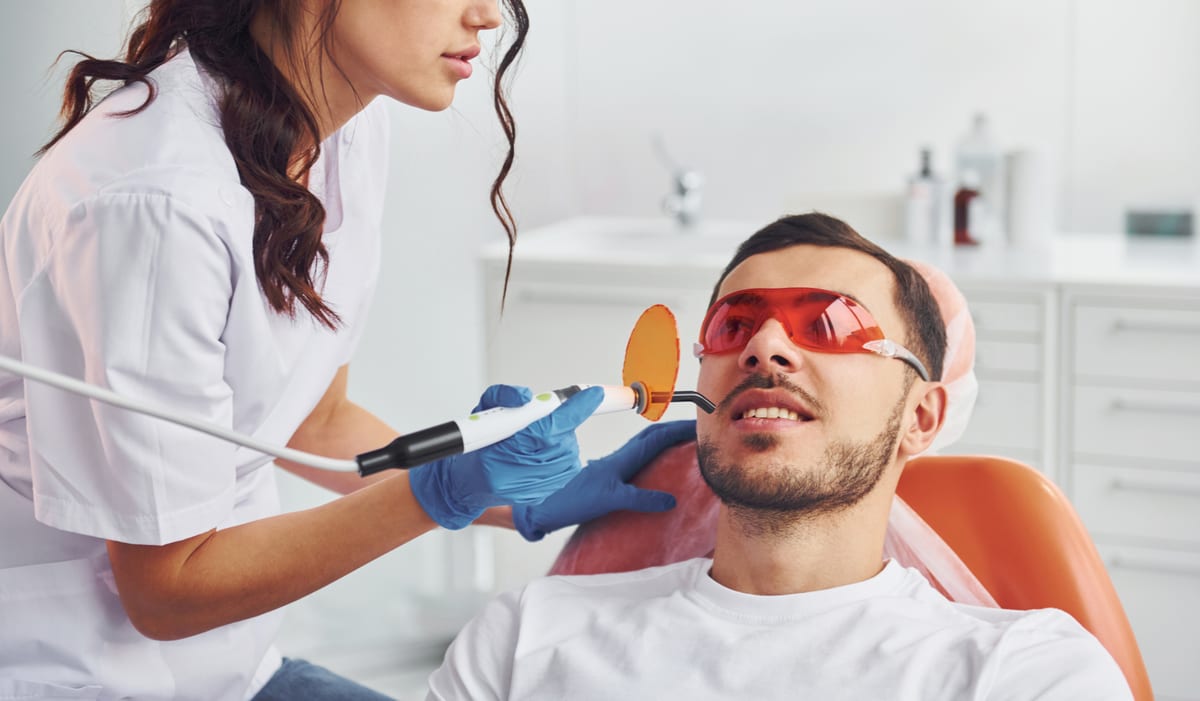


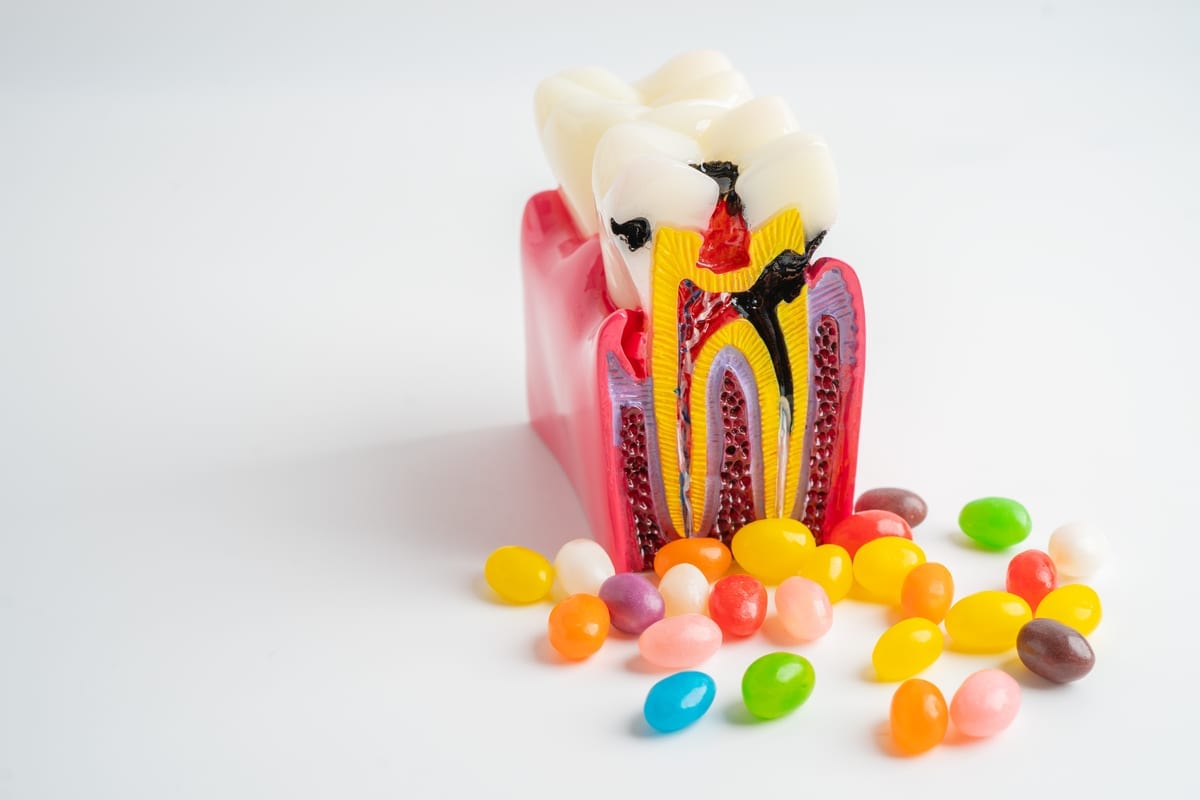
Root canal recovery: what to eat, take, and when to worry in Hagerstown is a question many patients ask Dr. Sidney Cradduck right after their procedure. The good news? Most people recover comfortably within a few days. Knowing what to expect makes the process much easier to manage at home.
Root canals have an undeserved reputation for being painful. In reality, the procedure relieves pain — not causes it. Still, some soreness and sensitivity after treatment is completely normal. This guide walks you through everything you need to know about recovering well.
What to Eat After a Root Canal in Hagerstown
Your mouth will feel numb for several hours after your procedure. Do not eat anything until the anesthesia wears off completely. Biting your cheek or tongue without realizing it is a real risk during this time.
Once the numbness fades, stick to soft, easy-to-chew foods for the first 48 to 72 hours. Your tooth will be sensitive to pressure, and hard foods can aggravate it. Gentle eating habits protect the temporary or permanent crown placed over the tooth.
Here are some ideal foods to eat during early root canal recovery:
- Yogurt, applesauce, and smoothies
- Scrambled eggs and soft-cooked oatmeal
- Mashed potatoes and soft-cooked vegetables
- Soup broth (not too hot) and soft pasta
- Bananas, avocado, and other tender fruits
- Ice cream or cold pudding to soothe soreness
Avoid crunchy snacks, hard candies, and sticky foods like caramel or gum. These put unnecessary stress on the treated tooth. Chewing on the opposite side of your mouth also helps reduce discomfort.
Which OTC Pain Relievers Help Most After Treatment
Some tenderness and mild inflammation are expected after a root canal. Over-the-counter medications manage this effectively for most patients. Dr. Cradduck will give you specific guidance based on your health history.
Ibuprofen (Advil, Motrin) is typically the first choice for post-root canal discomfort. It reduces both pain and inflammation at the same time. Take it as directed on the packaging and with food to protect your stomach.
Acetaminophen (Tylenol) is a good option if you cannot take ibuprofen. It does not reduce inflammation, but it does control pain effectively. Some patients alternate ibuprofen and acetaminophen every few hours for stronger relief — always follow dosing instructions carefully.
Avoid aspirin during the first 24 hours. Aspirin can thin the blood and increase bleeding risk. If your pain is severe or not controlled by OTC options, contact Hagerstown Family Dental right away.
How Long Does Sensitivity Last After a Root Canal
Mild sensitivity and soreness are normal for the first few days. Most patients feel significantly better within three to five days after treatment. The initial tenderness usually peaks around day two and then steadily improves.
Some patients experience mild sensitivity for one to two weeks. This is especially common if the tooth had a significant infection beforehand. The surrounding tissue needs time to heal fully after the procedure.
Factors that influence recovery time include:
- The severity of infection before treatment
- Whether the tooth needed one or two appointments
- How well you follow aftercare instructions
- The type of restoration placed (temporary vs. permanent crown)
- Your overall oral health and immune response
A permanent crown is usually placed at a follow-up visit. Until then, the temporary crown is more fragile. Treat that tooth gently to avoid dislodging it before your next appointment.
Red Flags to Watch for During Root Canal Recovery
Most root canal recoveries go smoothly. However, certain symptoms indicate something may need attention. Knowing the warning signs helps you act quickly and avoid complications.
Contact Dr. Cradduck or seek care promptly if you notice any of the following:
- Severe pain that does not improve after two or three days
- Swelling in your face, jaw, or gums that worsens over time
- A visible bump or pimple on your gum near the treated tooth
- A bad taste or odor that persists after brushing
- The temporary crown falls off or feels loose
- Fever above 100.4°F lasting more than 24 hours
These symptoms do not always mean something serious has gone wrong. Sometimes a follow-up cleaning or medication adjustment resolves the issue quickly. Still, early communication with your dentist prevents small problems from becoming bigger ones.
Hagerstown Family Dental offers emergency appointments for post-procedure concerns. Dr. Cradduck and the team take post-treatment discomfort seriously. Never feel hesitant to reach out if something feels off during your recovery.
Long-Term Care After Your Root Canal
Once your permanent crown is in place, the tooth should function like a natural tooth. You can eat normally and maintain your regular oral hygiene routine. Brush twice daily, floss gently, and attend your scheduled cleanings.
Root canals have a very high long-term success rate when cared for properly. The restored tooth can last many years — often a lifetime. Consistent dental visits help monitor the area and catch any concerns early.
Hagerstown Family Dental also offers a range of other services to keep your smile healthy and beautiful. If you are interested in improving your smile after your recovery, explore Cosmetic Dentistry Hagerstown options with Dr. Cradduck. From teeth whitening to veneers, there are solutions for every smile goal.
Families with children can also benefit from compassionate, gentle care through Pediatric Dentistry Hagerstown. Dr. Cradduck’s team makes dental visits positive for kids of all ages. Starting good habits early sets children up for a lifetime of healthy smiles.
Root canal recovery in Hagerstown does not have to be stressful or confusing. With the right foods, appropriate pain management, and awareness of warning signs, most patients heal quickly and comfortably. Dr. Cradduck and the Hagerstown Family Dental team are here to support you every step of the way. Book Now to schedule your appointment with our team.
Frequently Asked Questions
How long does root canal recovery typically take?
Most patients feel back to normal within three to five days. Mild sensitivity may linger for up to two weeks, especially if the original infection was significant. Following your aftercare instructions closely speeds up the healing process.
Can I go to work the day after a root canal?
Many patients return to work the next day without any issues. If your job involves physical exertion, you may want to take an extra day to rest. Listen to your body and avoid strenuous activity for at least 24 hours after treatment.
Is it normal for the tooth to still hurt after a root canal?
Some soreness and pressure sensitivity are completely normal in the first few days. The surrounding tissue needs time to heal after the procedure. If pain is severe, worsening, or accompanied by swelling, contact Hagerstown Family Dental promptly.
What happens if I do not get a crown after my root canal?
A tooth that has had a root canal becomes more brittle over time without a crown to protect it. It is at a higher risk for cracking or fracturing under normal chewing pressure. Dr. Cradduck strongly recommends placing a permanent crown to preserve the tooth long-term.
Can I brush my teeth after a root canal?
Yes, you can and should brush your teeth gently after your root canal. Avoid aggressive brushing near the treated area for the first day or two. Keeping your mouth clean reduces the risk of infection and supports faster healing.