

If you’ve lost a tooth, you may now hear your dentist mention that your jaw doesn’t have enough bone to support dental implants. This can feel overwhelming, but it’s part of a very normal process for anyone who has insufficient jawbone and is getting dental implants. In Hagerstown, MD, if your dentist has suggested that you need a bone graft, here’s what you should know before your next visit.
What Is a Bone Graft & Why Do You Need One?
When a tooth is missing or removed, there’s no longer a tooth root stimulating the jawbone, so over time, that jawbone shrinks. Without sufficient jawbone volume, there isn’t a stable enough foundation for a dental implant to anchor to.
A bone graft for dental implants rebuilds missing bone structure, creating a space in the jaw for an implant to integrate through osseointegration.
This isn’t a complication of implant dentistry; rather, it is a normal part of the process for many people who need dental implants, and many dental practices in Hagerstown and throughout Maryland perform these procedures.
Common Types of Bone Grafts Used in Implant Dentistry
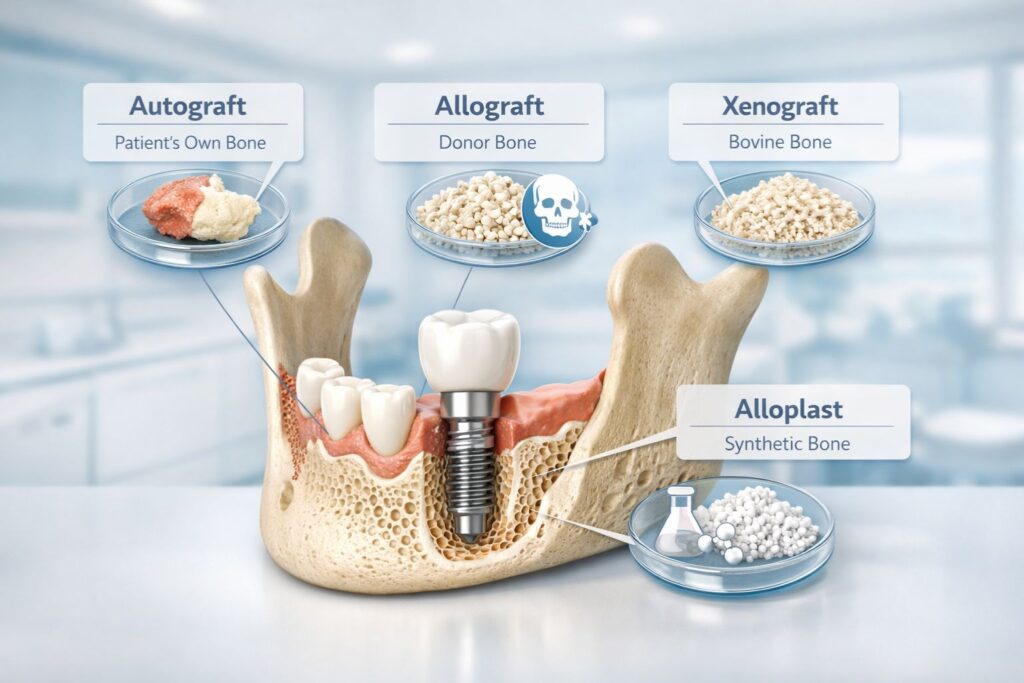
When it comes to bone graft types, there are several options. The type of bone graft used for an implant will be determined based on the volume of missing bone, as well as your overall oral health.
- Autograft: Bone taken from your own body (usually the chin or jaw). It has the highest success rate but requires two surgical sites.
- Allograft: Donor bone from a human tissue bank. Safe, effective, and eliminates the need for a second surgical site.
- Xenograft: Sourced from animal bone (most commonly bovine). Processed and sterilized for safe use in humans.
- Alloplast: Synthetic bone substitute. A fully lab-made option for patients who prefer to avoid donor material.
Your dentist will assess which type is appropriate based on imaging, your bone density, and your treatment plan.
What Happens During the Procedure?
The procedure is typically performed under local anesthesia so that you won’t feel pain. The steps include:
- Numbing the area and gently opening the gum tissue so the bone can be accessed.
- Placing the graft material in the area where bone has been lost.
- Protecting the graft site with a membrane while it heals.
- Closing the gum tissue with sutures.
Most patients report that their discomfort after the procedure ranges from mild to moderate and is usually manageable with over-the-counter or prescribed medications.
How Long Does Healing Take?
The amount of time it takes for you to heal from a bone graft before placement of an implant will depend on how much bone loss there was. You should expect an average healing time of:
- 3 to 6 months for minor grafts
- 6 to 9 months for more significant bone loss
During this period, your dentist monitors progress with X-rays. Once the bone is ready, implant placement can proceed.
If you’ve had a tooth extraction and a bone graft is placed at the same time — called a socket preservation graft — the healing timeline is similar.
Who Needs a Bone Graft Before an Implant?
Not everyone will need a bone graft before an implant; however, the likelihood of requiring a bone graft increases if:
- A tooth has been missing for an extended period
- You had gum disease that caused bone loss
- The tooth was removed due to infection or trauma
- A previous dental bridge was in place for years
Patients in Hagerstown who have been without teeth for years are often candidates for grafting. The longer a tooth has been missing, the more bone has typically resorbed.
Is Bone Grafting Safe?
Yes, bone grafting is a safe procedure that has been performed for many years. The American Dental Association states that dental implants and bone grafting required to support them have a high long-term success rate and are very safe when performed in properly planned cases.
There are very few complications from bone grafting; however, some possible complications include:
- Infection
- Grafting failure
- Failure of healing
All of the above-mentioned will most likely occur if the patient does not follow their dentist’s post-operative instructions.
What Affects The Success Of Bone Graft Healing?
Many different factors affect how quickly a bone graft will heal, including:
- Smoking can shorten the healing time of your bone and increase the risk of graft failure.
- Uncontrolled diabetes will diminish your body’s ability to heal and regenerate bone.
- Poor oral hygiene during recovery can lead to an increased risk of infection.
- Some medications may disrupt your body’s metabolism of bone and soft tissue.
Providing your dentist with complete transparency about your medical history will allow them to provide better treatment and plan for a better outcome.
Your Path to a Stable Implant Starts Here
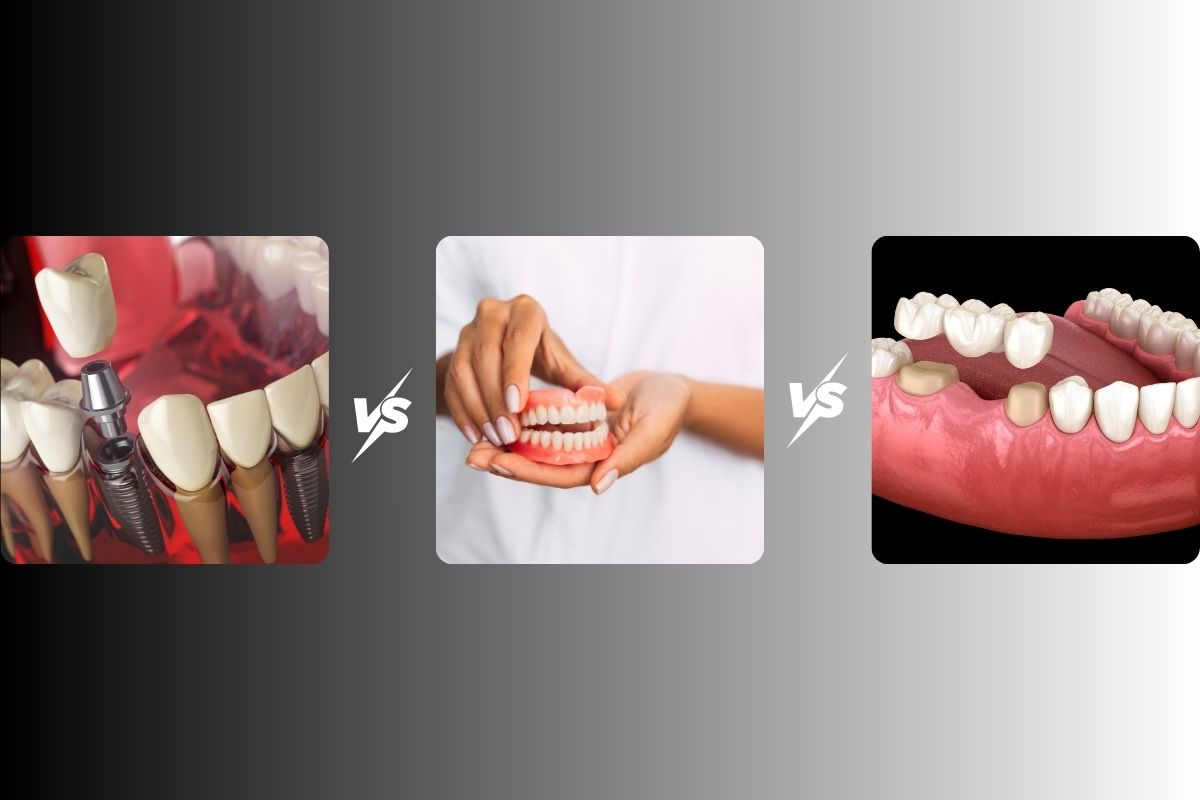
Having a bone graft for dental implants won’t set you back; it’s just the building block for a solid foundation for your replacement teeth. For many residents of Hagerstown, Maryland, this is the only way to have permanent teeth and avoid settling for dentures or bridges.
If you have been putting off dental work because of questions like these, the best step is to schedule an appointment for an evaluation. An X-ray and consultation will allow your dentist to determine what your dental needs are, and what they aren’t.
At Hagerstown Family Dental, Dr. Sidney Cradduck and Dr. Matthew Cradduck provide personalized implant consultations for patients across the Hagerstown area. Call or request an appointment online to get clear answers about your specific situation.
Common Questions People Ask
1. How painful is a bone graft for dental implants?
Most patients experience mild to moderate soreness after the procedure, which is manageable with over-the-counter pain relievers. The procedure is performed under local anesthesia, so you won’t feel it.
2. Can I get an implant and bone graft at the same time?
Sometimes, yes — particularly in socket-preservation cases right after a tooth extraction. Whether this is possible depends on the amount of bone present and the specific implant placement site.
3. How long does a bone graft last before an implant is placed?
Once integrated, the grafted bone is permanent. There’s no expiration — it becomes part of your jaw. However, the implant should ideally be placed within the planned timeframe to prevent bone resorption.
4. Will my insurance cover a bone graft?
Coverage varies by plan. Some dental insurance policies cover bone grafts when they’re medically necessary for implant placement. It’s worth checking with your provider before treatment.