

When you lose a tooth, it’s about more than how you look. It’s how you eat, how you speak, and how comfortable you feel day to day. So, whatever your zip code is in this case, Hagerstown, MD, whether you’re by Downtown, near Robinwood, or just somewhere in Washington County, you have probably been wondering what your options are and which one actually makes sense for your situation. Well, that’s what this blog will make clear.
It’s All About Knowing Your 3 Main Options
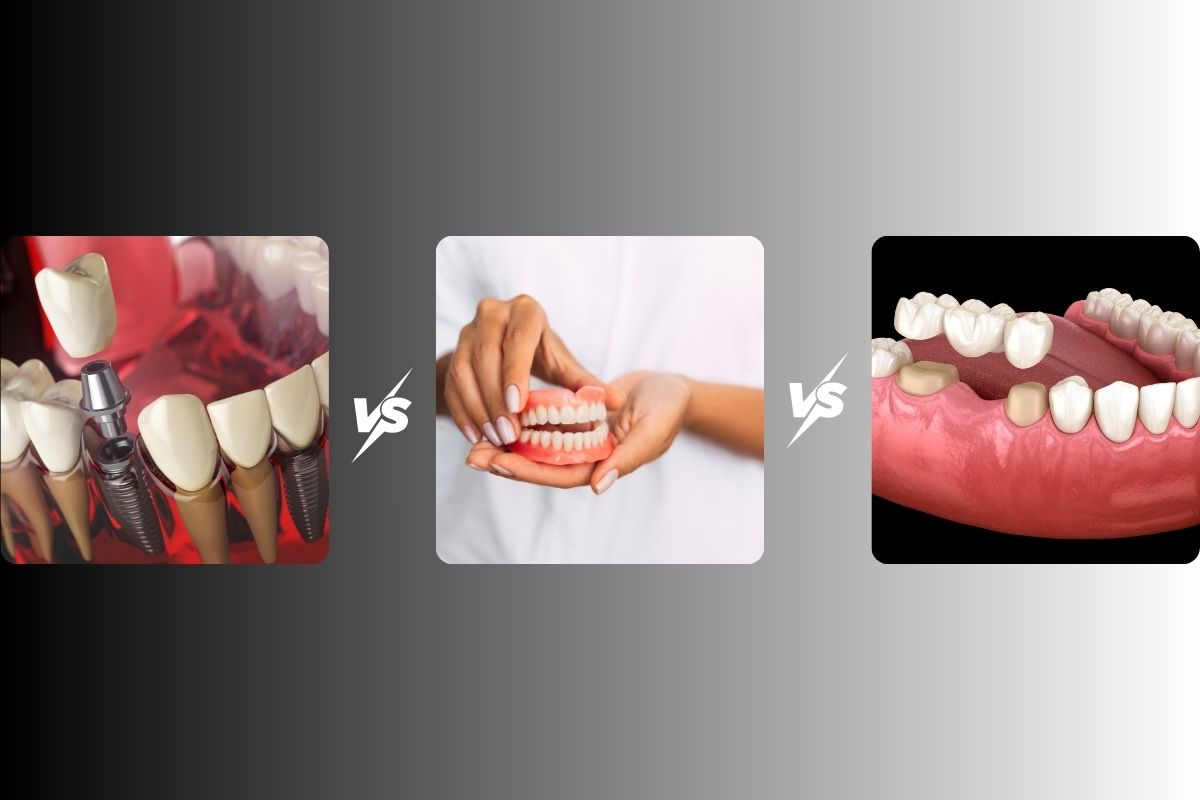
When a tooth is missing, your dentist will usually suggest one of three ways to restore it to its former glory. Those restorations: implants, bridges, or dentures. And although all three work differently, they share a common approach to the body.
Before going into a long list of comparisons, think about what they are, actually.
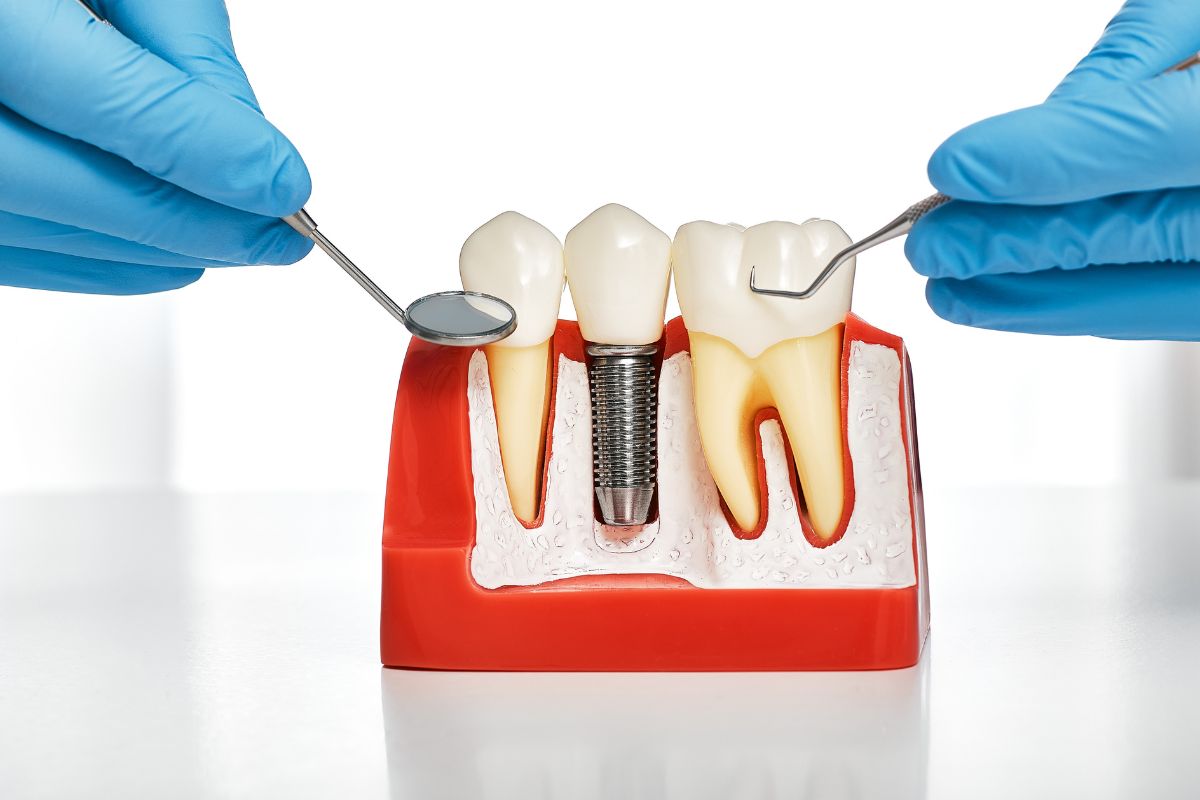
Dental implants vs bridges and dentures: the key difference is structure. An implant replaces the tooth root — it’s a titanium post plunged into the jawbone. A bridge, meanwhile, rests on top of the gums and covers the gap by being crowed (or in other words, held in place) on either side of the gap.
Dental Implants
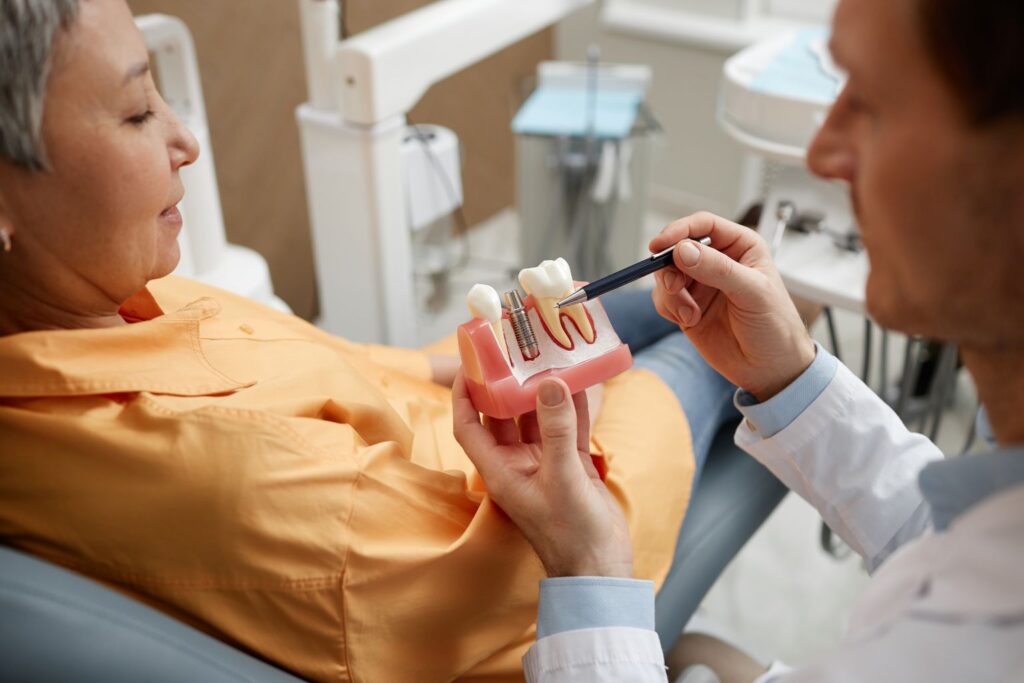
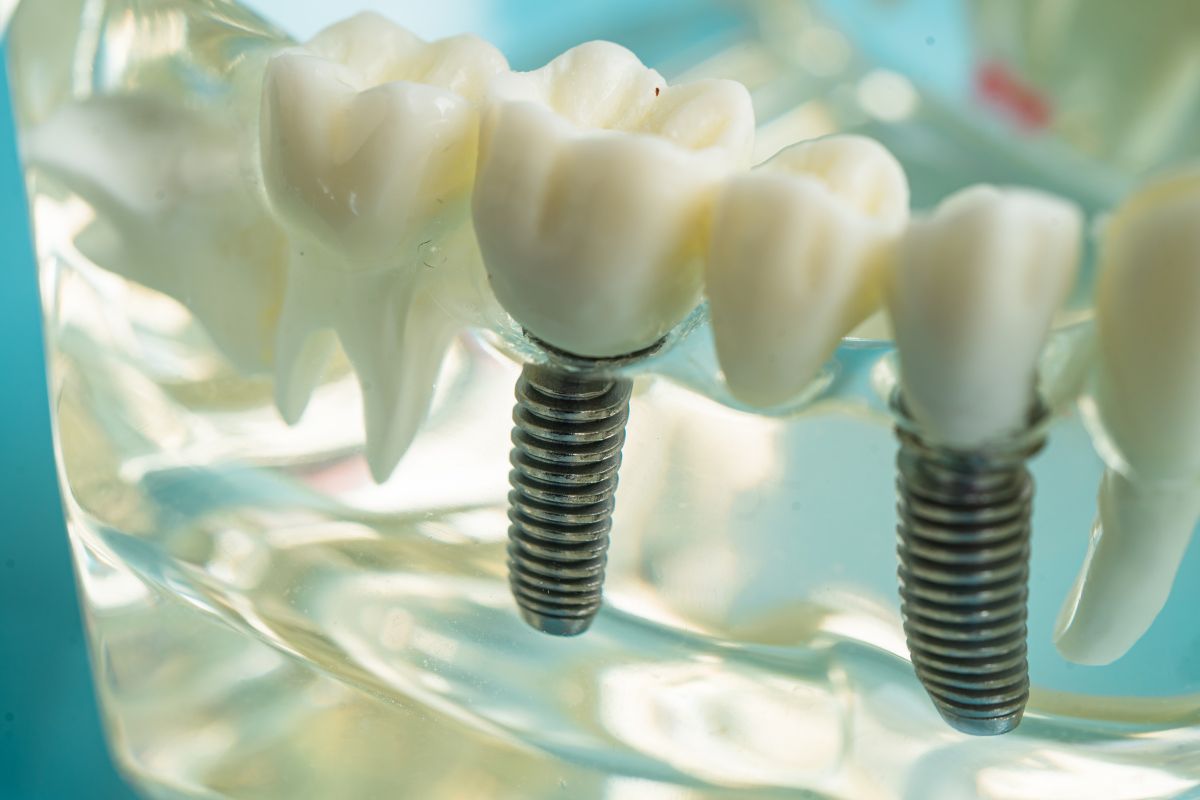
An implant is a very small titanium post inserted into the jawbone. Once your skin starts to heal, the implant fuses with the bone—also known as osseointegration. At this point, a crown is placed on top of the implant — and it will look and function like a natural tooth.
Who it’s good for:
- People with a single tooth or a few teeth missing
- People with healthy gums and sufficient bone density
- Anyone seeking a long-term, minimal maintenance option
What to know:
- It’s a minor surgical procedure; it usually can be done in the office
- The healing process will take a few months
- With proper care, implants last 20+ years
The American Dental Association says these have a high success rate and preserve the jawbone in the long term
Cost: Higher upfront, but often more cost-effective in the long term.
Dental Bridges
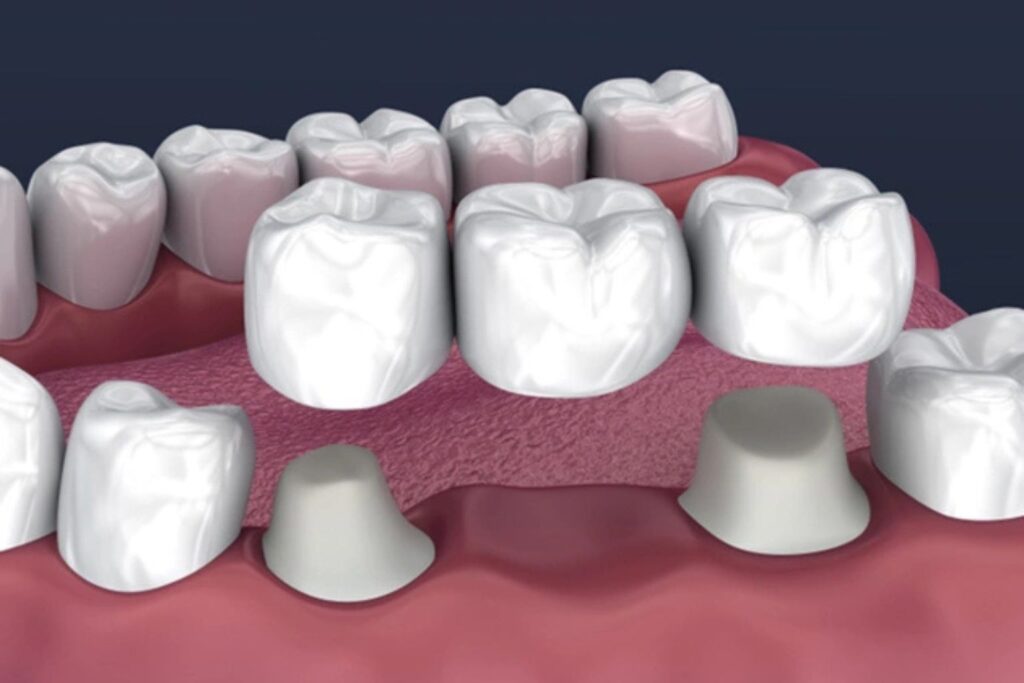
A bridge is a structure-filled false tooth (known as a pontic) that is glued onto, or attached to, the natural teeth on either side of the gap. The neighboring teeth are filed down and fitted with crowns, so that they hold everything in place.
Who it’s good for:
- Individuals with a single to a few teeth missing in a row
- Those who would not be eligible for implants due to bone loss
- Everyone seeking a quick, non-surgical solution
What to know:
- It usually takes two visits
- Bridges typically last 10–15 years with proper oral hygiene
- Two neighbouring teeth must be permanently altered — that’s a major trade-off
- Bridges fail to protect the bone in the area of the missing tooth
Cost: Lower upfront, but may require a replacement at a point in time
Dentures
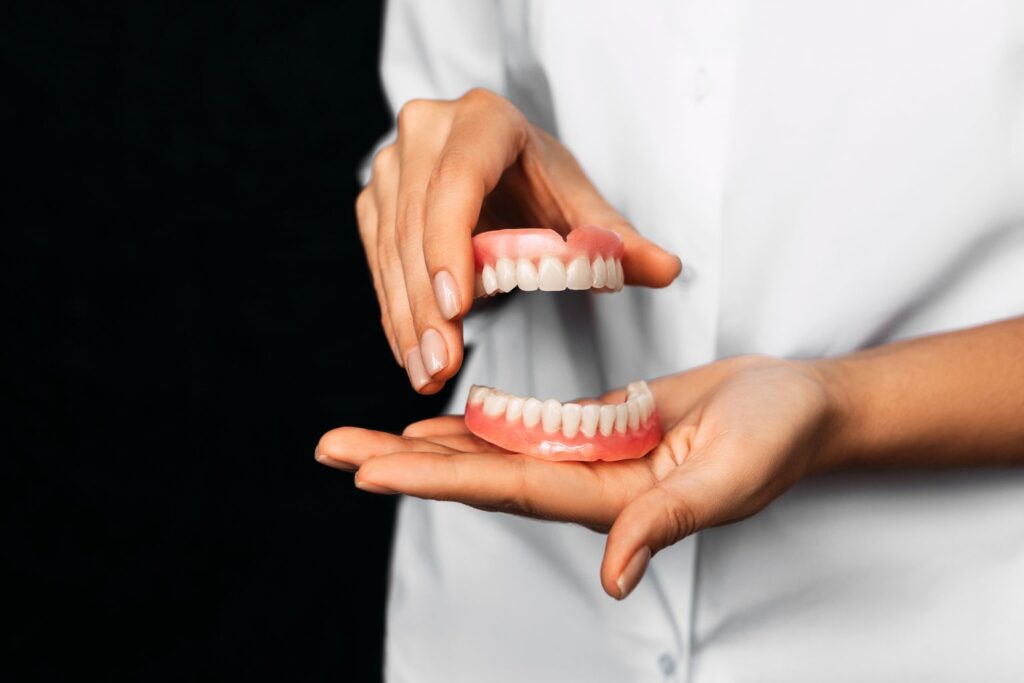
Dentures are removable and replace multiple missing teeth (whether full or partial, depending on how many are lost).
Who it’s good for:
- People with mostly or all of their teeth lost
- Those who aren’t surgical candidates for implants or bridges
- Everyone seeking a non-surgical, less costly solution
What to know:
- Full dentures replace whole arches; partial dentures can fill in the area of the missing tooth
- Must be removed to be cleaned, and at night
- It starts to shift over time, as the jawbone changes shape
- Implant-supported dentures are another option — they are more stable — and you don’t rely on suction
Cost: Most cost-efficient upfront — however, adjustments and replacements are needed.
How To Know What’s Right For You
There’s no one-size-fits-all answer. Your dentist will look at:
- The number of teeth missing — a single tooth vs several changes everything
- Bone density — implants must have enough bone to support the post
- Overall oral health —gum disease must first be addressed (if any)
- Amount and timeline — implants take longer but last longer
- Personal preference — some people prefer fixed restorations; others are fine with removable ones
But the loss of your teeth isn’t just about visuals. Missing teeth can contribute to the shifting of your other teeth, changes in bite, and bone resorption over time over the very long term. Choosing a restoration isn’t just about how it looks — it’s about everything we do to improve your long-term oral health.
And it’s worth remembering that options for restorative dentistry have come a long way. Whether you need a single tooth restored or are exploring comprehensive revitalization of your entire mouth, the options available today are more comfortable and more natural-looking than ever.
And if you’ve been putting off visiting the dentist due to some anxiety, then that makes sense. Many patients in the Hagerstown area have the same feelings. A good dental team will take you through every step along the road before anything ever begins.
Make the Right Decision for Your Oral Health
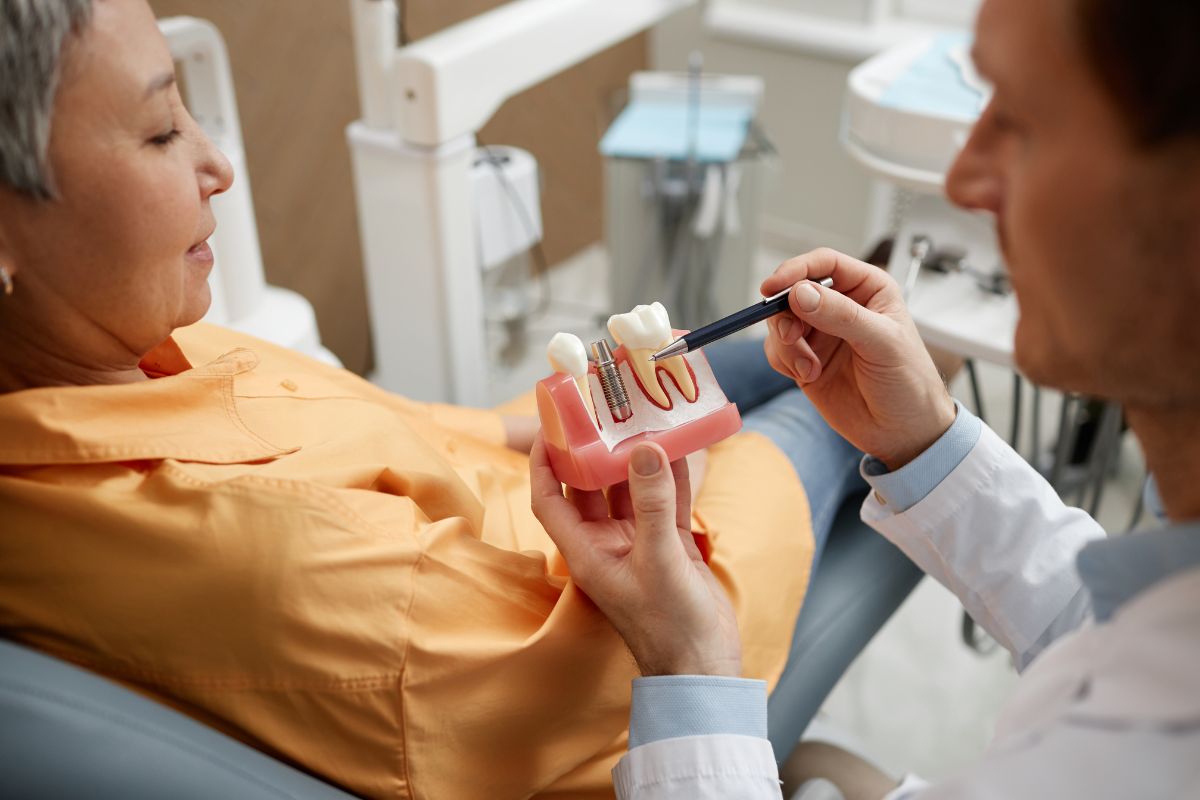
The best way to know which restoration is right for you is a one-on-one conversation with your dentist. At Hagerstown Family Dental, Dr. Sidney Cradduck and Dr. Matthew Cradduck offer dental implants vs bridges and dentures — and they’ll help you figure out what actually fits your needs, not just what sounds best on paper.
Our address is 304 Cameo Dr., Hagerstown, MD 21740.
Contact us for an Appointment Today!
Common Questions People Ask
1. Is a dental implant better than a bridge for a single missing tooth?
For most people with healthy bones, yes — implants are generally the preferred option for a single missing tooth. They don’t affect adjacent teeth and preserve the jawbone. However, bridges are a valid option if implants aren’t suitable.
2. How long does it take to get a dental implant?
The full process typically takes 3–6 months. The implant post needs time to fuse with the jawbone before the crown is placed. The timeline varies by individual.
3. Can I get an implant if I’ve had bone loss?
Possibly, but bone grafting may be needed first to build up the area. Your dentist will evaluate your bone density with X-rays before recommending a treatment plan.
4. Are dentures uncomfortable?
They can feel strange at first. Most people adjust within a few weeks. Implant-supported dentures tend to feel more stable and secure than traditional ones.