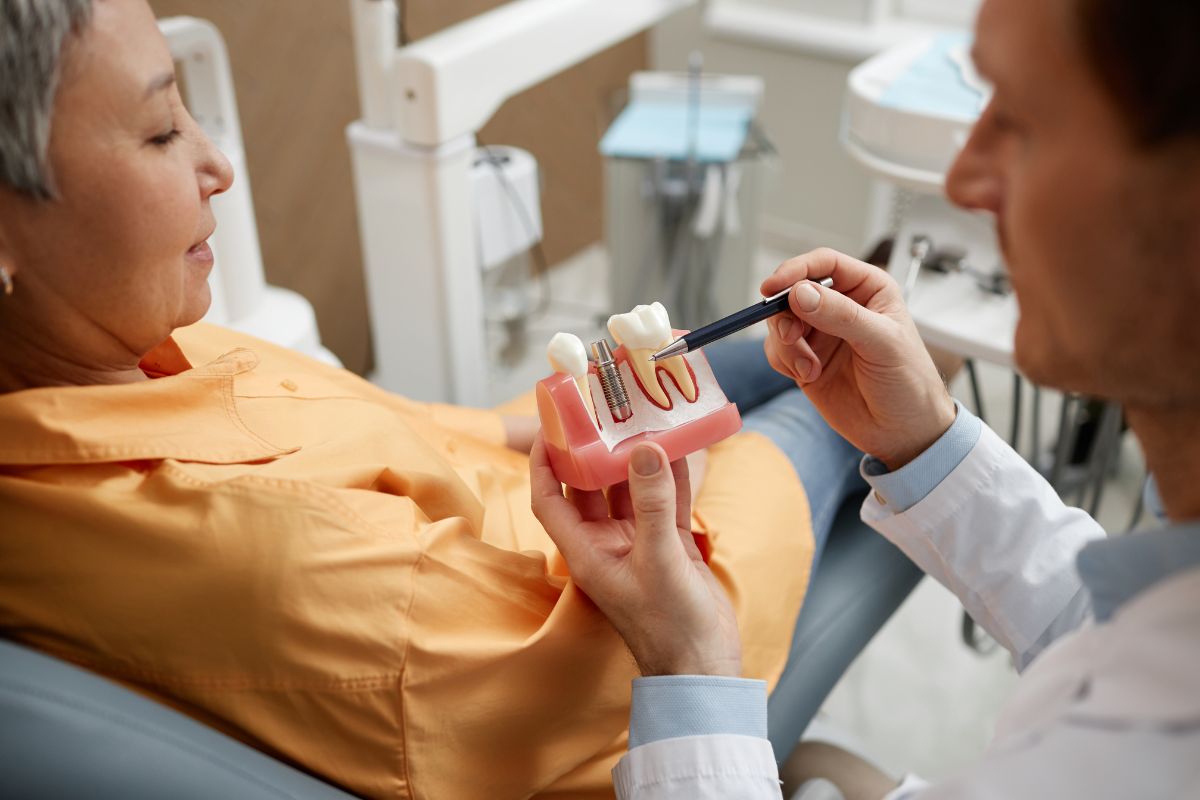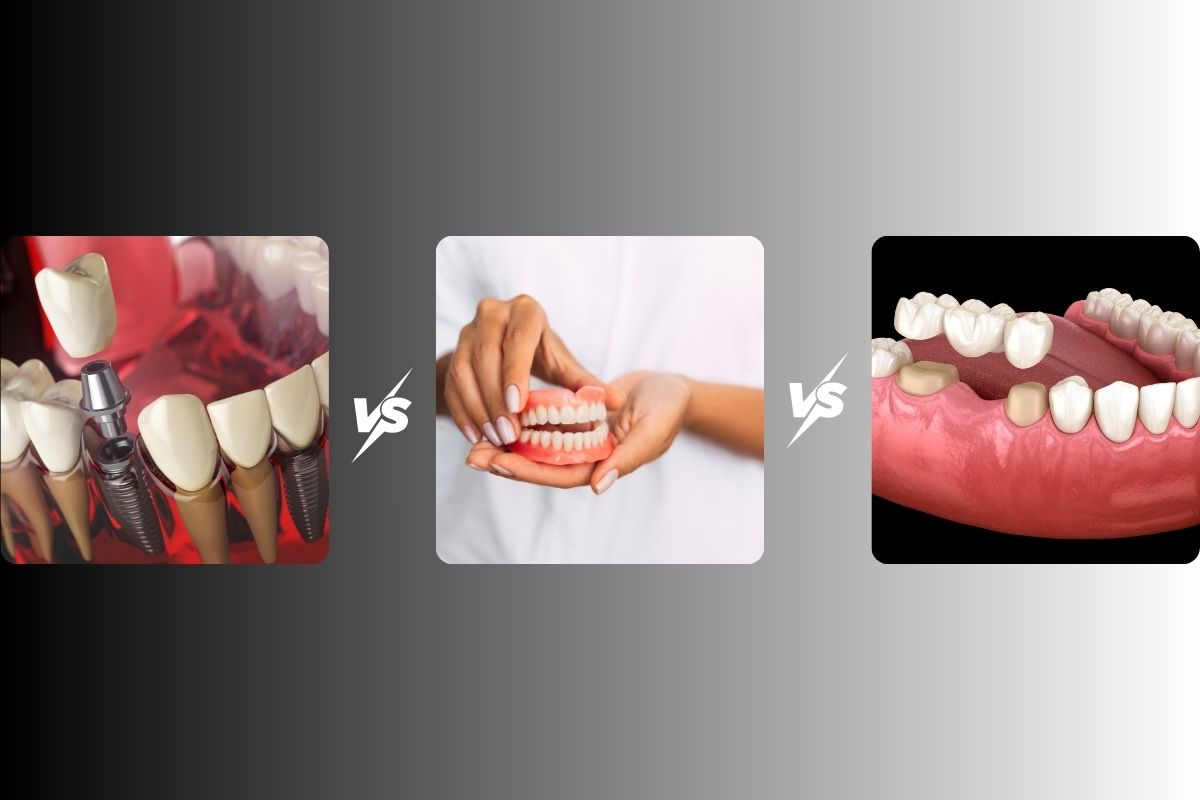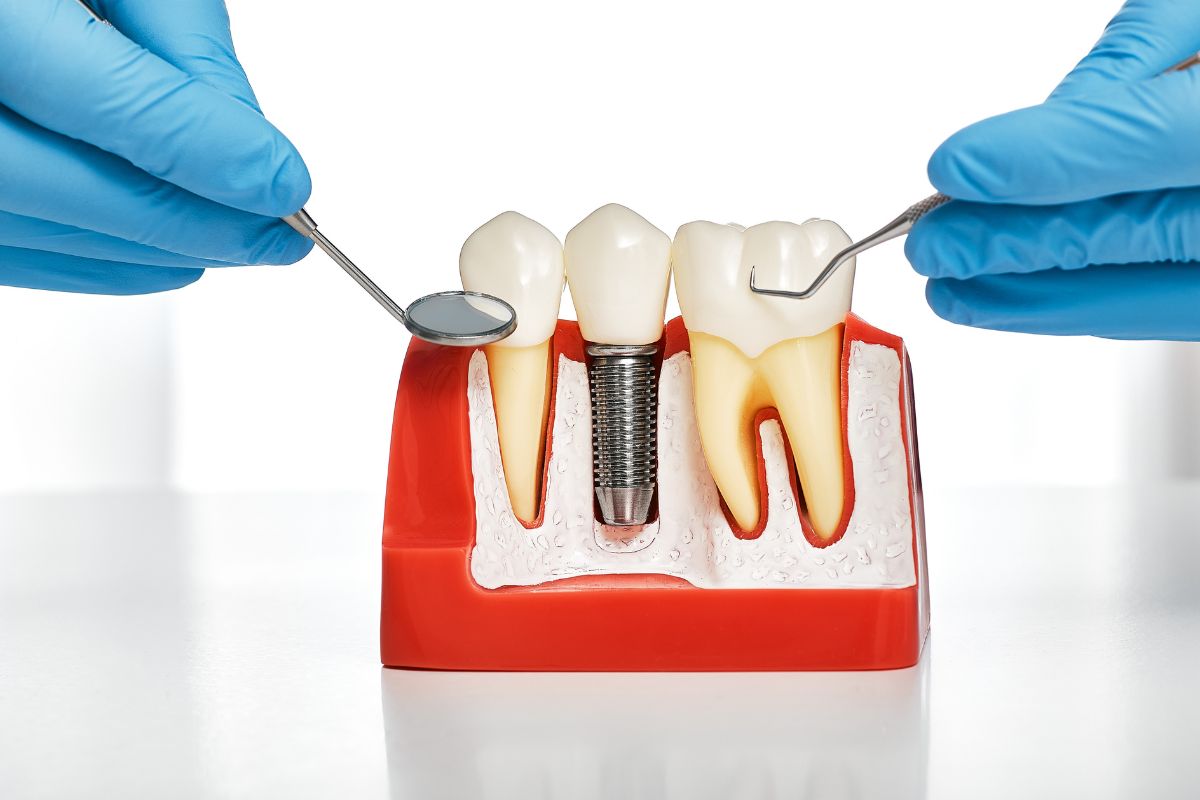


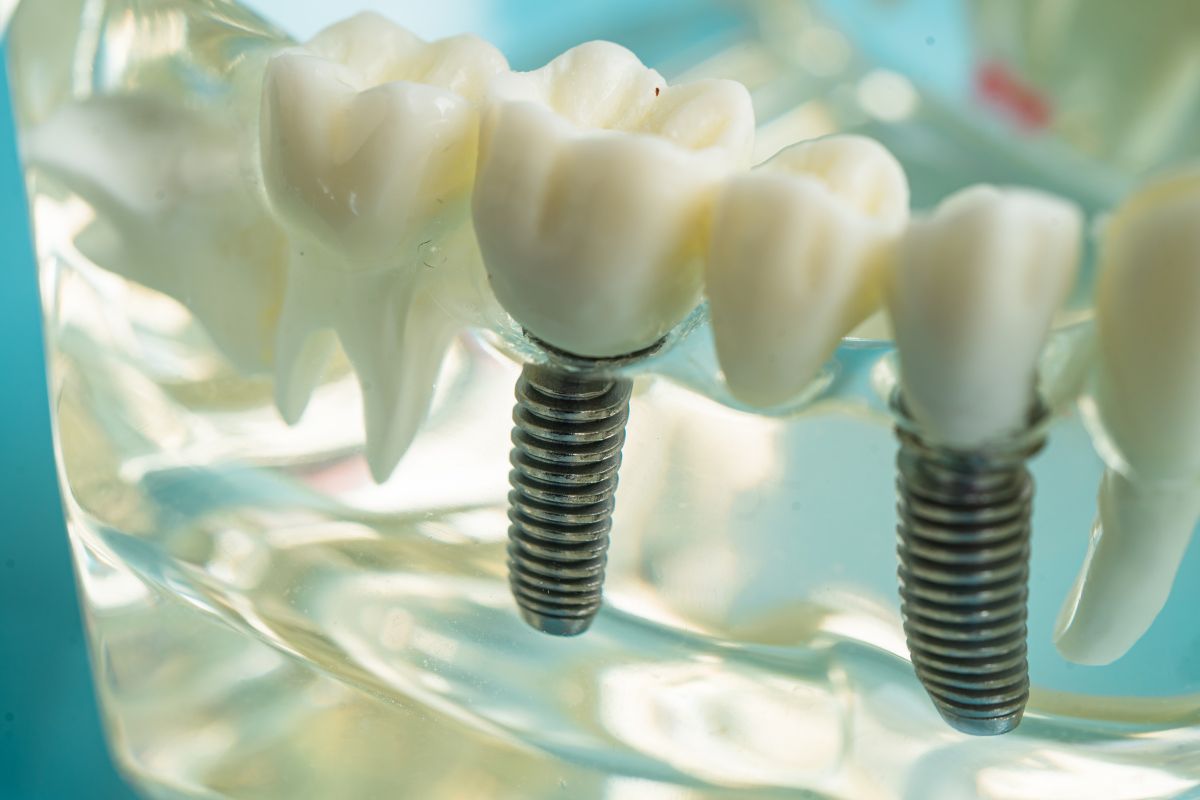
Dental implants are a great way to restore your smile, but, like any treatment or restoration, they require proper maintenance and care to provide lasting results. If you’ve invested in dental implants, we’re sure you’re wondering how to keep your investment safe while achieving a healthy smile that lasts for many years to come. Read on if you want to learn more about dental implants maintenance and care, no matter where you are in your dental implants journey.
This blog will outline some of the most important steps for maintaining your dental implants. It’s not just brush and floss; there is much more you can do to keep your dental implants perfectly healthy. From everyday care to dental visits, this guide will tell you everything you need to know to keep your smile safe.
Why Proper Care for Dental Implants Matters
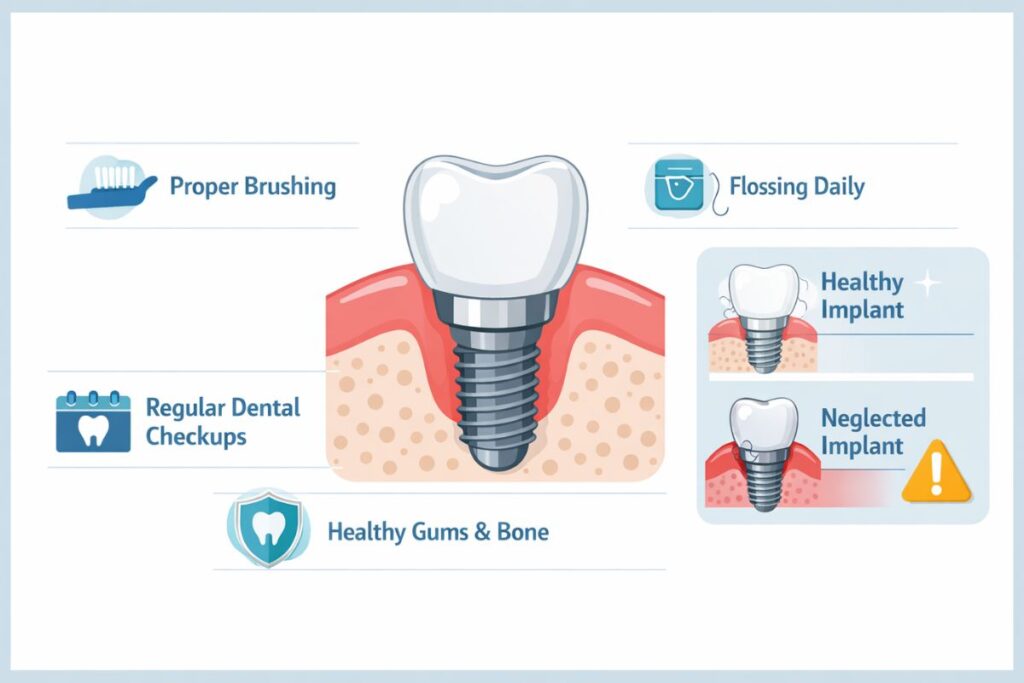
The aim is to make the implants function just as your natural teeth do. The higher the quality of the implants, the longer they will last as long as you look after them. If you take good care of them, they are less likely to become infected or to develop gum disease or other problems. This will also protect the condition of the gum and the bone in the area.
Ignoring the care can cause a number of problems, including implant failure, cost, and discomfort. To protect the investment you’ve made in dental implants in Hagerstown, MD., follow the steps.
Key Tips for Long-Lasting Implants
1. Maintain Excellent Oral Hygiene
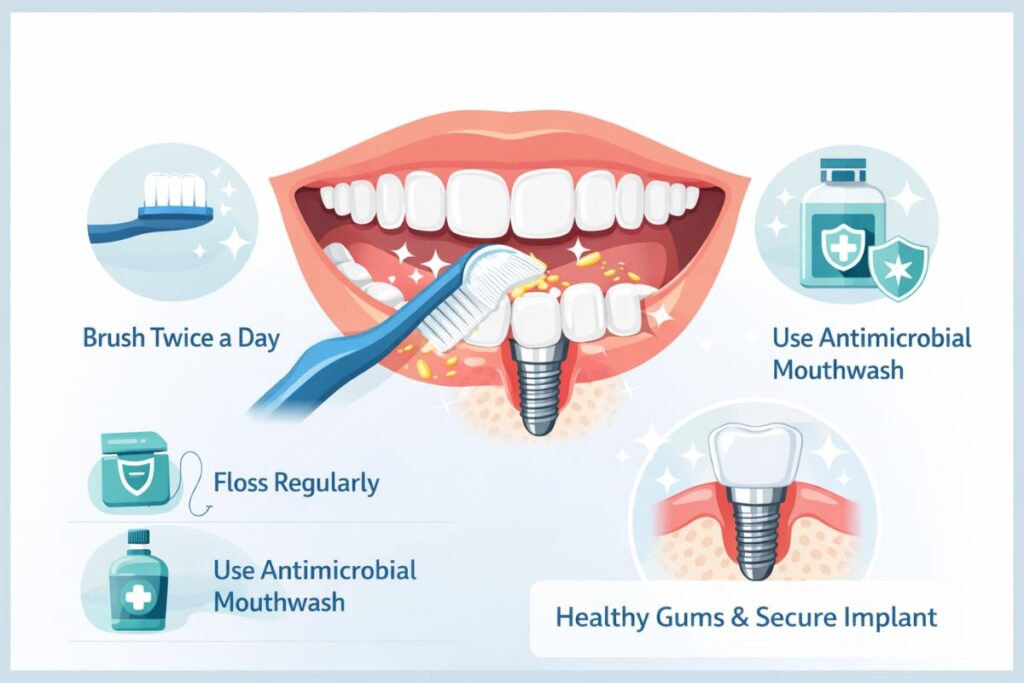
The first step towards good dental care is maintaining good oral hygiene. You have to brush and floss your implants the same way you brush and floss your natural teeth. This is important to remove plaque and food debris from the implant. The right way to clean your implants is by:
- Brush twice a day: Use a soft-bristled toothbrush and non-abrasive toothpaste to brush your implants.
- Use floss regularly: Special interdental brushes or floss can help to clean plaque and food between the implant and neighbouring teeth.
- Use an antimicrobial mouthwash: This helps reduce bacterial levels in your mouth, thus maintaining healthy gums and implants.
These may be easy things to do, but they are important in keeping your implants secure and infection-free. Brushing and flossing regularly will also keep your gums healthy, which is important for maintaining the security of your implants.
2. Visit Your Dentist Regularly
Although low-maintenance, dental implants will still need to be checked by your dentist from time to time. Make sure to book regular visits to have your implants checked for stability and infection. These appointments are also ideal for a professional cleaning of your implants and a general health assessment of your mouth.
During these appointments, your dentist will check the gum tissues and bone around the implants to ensure everything is fine. Early signs of infection and bone loss can be detected and treated at this stage.
3. Avoid Hard or Sticky Foods
Your dental implants can handle the pressures of normal chewing, but there are still some things that could cause damage. Try not to bite into hard foods such as nuts, ice, and hard candies, as these can damage teeth and implants. Sticky foods may also cause problems, as they can adhere to your implant and be difficult to remove.
Maybe avoid food that can get stuck to your implants, such as caramel, toffee, or chewing gum. If you eat them, be sure to clean your implants immediately.
4. Quit Smoking
The fact that you smoke could affect whether you are a successful implant patient. If you decide to give up smoking, this can benefit the success rate of your implants. Smoking causes narrowing of the blood vessels, which restricts blood flow to the gums. This impairs healing after the implant is placed and increases the likelihood of a gum infection. This, in turn, can lead to the loss of the implant. If you find it difficult to stop, seek help from your dentist.
The Importance of Proper Implant Maintenance
Maintaining your implants isn’t just about maintaining good oral hygiene; it is also about caring for them to prevent potential problems. By following the correct maintenance regimen, you are less likely to experience gum recession, infection, implant failure, or implant loosening. With good oral hygiene, an excellent maintenance program from your dentist, and avoidance of habits such as smoking, the chances of success with your implants are much higher.
The use of an implant-friendly toothpaste and non-abrasive cleaners may also help keep the implant surface from being scratched or damaged. Many dental implants may come with specific cleaning kits, so it is best to consult the dentist for the products they recommend.
Learn more about dental implants procedure
Conclusion: Keeping Your Implants Healthy and Strong
To sum up, dental implants help restore people’s smiles. As long as you take good care of them, they will last permanently. Remember to maintain the implants by keeping them clean, attending regular dental check-ups, avoiding hard foods, and quitting smoking.
When you’re ready for your implant care, call us today to schedule your appointment at Hagerstown Family Dental! We can help you keep your smile happy and healthy for many years to come!
Common Questions People Have
1. How long do dental implants last?
With proper care, dental implants can last 20 years or more. Regular check-ups and good oral hygiene are key factors in their longevity.
2. Can I eat normally after getting dental implants?
Yes, after a period of healing, you should be able to eat most foods. However, avoid hard or sticky foods to protect your implants.
3. Are dental implants painful?
Most patients report only mild discomfort during the procedure, and the recovery period is generally manageable with over-the-counter pain medication.
4. Do I need to change my dental hygiene routine after getting implants?
Yes, it’s important to maintain a good oral hygiene routine, including brushing and flossing. Your dentist may also recommend specific products designed for implants.