


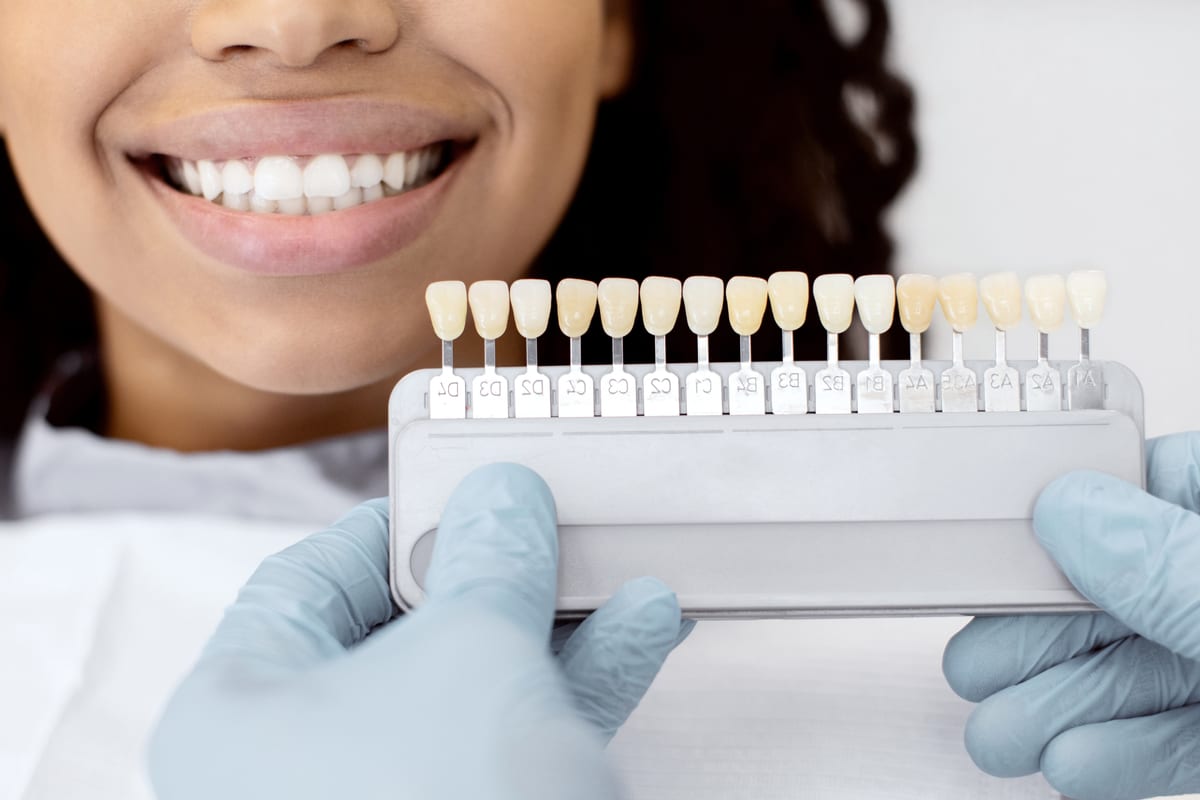
Wondering about porcelain vs. composite veneers — which lasts longer and costs less in Hagerstown? You are not alone. Many patients at Hagerstown Family Dental ask Dr. Sidney Cradduck this exact question. Both veneer types can transform your smile, but they work very differently. Understanding those differences helps you make a confident, informed choice.
Veneers are thin shells placed over the front surface of your teeth. They can correct chips, stains, gaps, and minor alignment issues. As part of our Cosmetic Dentistry Hagerstown services, we offer both options at our practice. This guide breaks down aesthetics, durability, cost, and the procedure for each.
Porcelain vs. Composite Veneers: Understanding the Key Differences
Porcelain veneers are custom-crafted in a dental lab from ceramic material. They mimic the light-reflecting properties of natural tooth enamel beautifully. Composite veneers are made from tooth-colored resin and are applied directly in the office. Each material has distinct strengths depending on your goals and budget.
Porcelain is harder and more stain-resistant than composite resin. It holds its color and polish for many years without much fading. Composite resin is softer and more prone to staining over time. However, composite is easier to repair if it chips or cracks.
- Porcelain veneers: Lab-fabricated, highly lifelike, stain-resistant ceramic shells
- Composite veneers: Resin applied chair-side, shaped and polished in one visit
- Both types: Cover front teeth surfaces to improve shape, color, and symmetry
- Key difference: Material, procedure length, cost, and lifespan vary significantly
Which Veneer Lasts Longer? Durability Compared in Hagerstown
Durability is often the deciding factor for Hagerstown patients comparing these two options. Porcelain veneers typically last 10 to 15 years with proper care. Some patients keep theirs for 20 years or longer. Composite veneers generally last 5 to 7 years before needing replacement or significant repair.
Porcelain is more resistant to everyday wear and staining from coffee, tea, and wine. It does not chip as easily under normal biting forces. Composite resin can wear down faster, especially if you grind your teeth. Both options require good oral hygiene and regular dental visits to reach their full lifespan.
One important note about porcelain: it cannot be repaired easily if it breaks. A cracked porcelain veneer usually requires full replacement. Composite resin, however, can be patched or reshaped chairside in a single appointment. This repairability is a meaningful advantage for some patients.
Porcelain vs. Composite Veneers: Which Costs Less in Hagerstown?
Cost is one of the biggest considerations when choosing between these two materials. Composite veneers are generally less expensive upfront. Porcelain veneers cost more initially because lab fabrication and multiple appointments are involved. However, long-term value depends on how long each option lasts.
Because composite veneers wear faster, they may need replacement sooner. Over a 15-year period, you might replace composite veneers two or three times. The total cost over time can sometimes match or exceed the initial investment in porcelain. Dr. Cradduck will discuss realistic cost expectations during your consultation at our Hagerstown office.
- Composite veneers: Lower upfront cost, shorter lifespan, easier repairs
- Porcelain veneers: Higher upfront cost, longer lifespan, harder to repair
- Long-term value: Porcelain often costs less over 10–15 years total
- Best value: Depends on your lifestyle, habits, and smile goals
The Procedure: What to Expect With Each Veneer Type
The process for getting veneers differs significantly between the two materials. Composite veneers are completed in a single office visit. Dr. Cradduck applies the resin directly to your tooth, shapes it carefully, and polishes it to a natural finish. No lab work is needed, and results are immediate.
Porcelain veneers require at least two appointments. During the first visit, Dr. Cradduck removes a thin layer of enamel from the tooth surface. This step is permanent and necessary to create room for the veneer. Temporary veneers protect your teeth while the lab creates your custom porcelain shells.
At your second appointment, Dr. Cradduck bonds the finished porcelain veneers to your teeth. The fit, color, and shape are checked carefully before bonding is complete. Most patients are thrilled with the final result. Recovery for both types is minimal — most people return to normal activities the same day.
Which Veneer Option Is Right for You?
Choosing between porcelain and composite depends on several personal factors. Your budget, timeline, and smile goals all play a role. Patients seeking the most lifelike, long-lasting result often prefer porcelain. Patients who want a faster, more affordable option may prefer composite resin.
Composite may also be a better starting point for younger patients. We also offer Pediatric Dentistry Hagerstown for younger family members with dental needs. Teens and young adults sometimes choose composite first, then upgrade to porcelain later. Dr. Cradduck will assess your teeth and recommend the most suitable option for your situation.
During your consultation, Dr. Cradduck reviews your bite, tooth structure, and overall oral health. This ensures veneers are a safe and appropriate treatment for you. No two smiles are exactly alike, and neither is the recommendation. Personalized guidance makes all the difference.
Conclusion: Making Your Veneer Decision in Hagerstown
Both porcelain and composite veneers can deliver a dramatically improved smile. Porcelain wins on longevity and aesthetics for most patients. Composite wins on cost, speed, and repairability. The best choice depends on your unique needs, and Dr. Cradduck at Hagerstown Family Dental is here to help you decide.
If you are ready to explore your options, our team makes the process straightforward and stress-free. We take time to educate every patient before recommending any treatment. Your comfort and confidence matter to us at every step. Book Now to schedule your appointment with our team.
Frequently Asked Questions
Are porcelain veneers worth the extra cost compared to composite?
For many patients, yes. Porcelain veneers last significantly longer and resist staining better than composite resin. Over a 10–15 year period, porcelain often provides better overall value despite the higher upfront cost. Dr. Cradduck can help you weigh the long-term investment during a personalized consultation.
Can composite veneers be whitened if they stain over time?
Unfortunately, composite resin does not respond to professional teeth whitening treatments. Once composite stains or discolors, polishing or replacement is usually required. This is one reason some patients choose porcelain, which resists staining much more effectively over time.
Do veneers damage your natural teeth?
Porcelain veneers require removal of a thin layer of enamel, which is permanent. Composite veneers typically require little to no enamel removal. Both options are designed to protect and improve your teeth when properly placed. Dr. Cradduck evaluates each patient’s tooth structure before recommending any veneer type.
How do I care for veneers after they are placed?
Care for veneers much like your natural teeth. Brush twice daily, floss regularly, and attend routine dental checkups. Avoid biting hard objects like ice or pen caps, which can chip veneers. Wearing a nightguard if you grind your teeth helps extend the life of both porcelain and composite veneers.
How long does the composite veneer procedure take?
Composite veneers are typically completed in a single appointment lasting one to two hours. The number of teeth being treated affects the overall time. Dr. Cradduck applies, shapes, and polishes the resin directly on your teeth in one visit. You leave the office with a finished, improved smile the same day.