


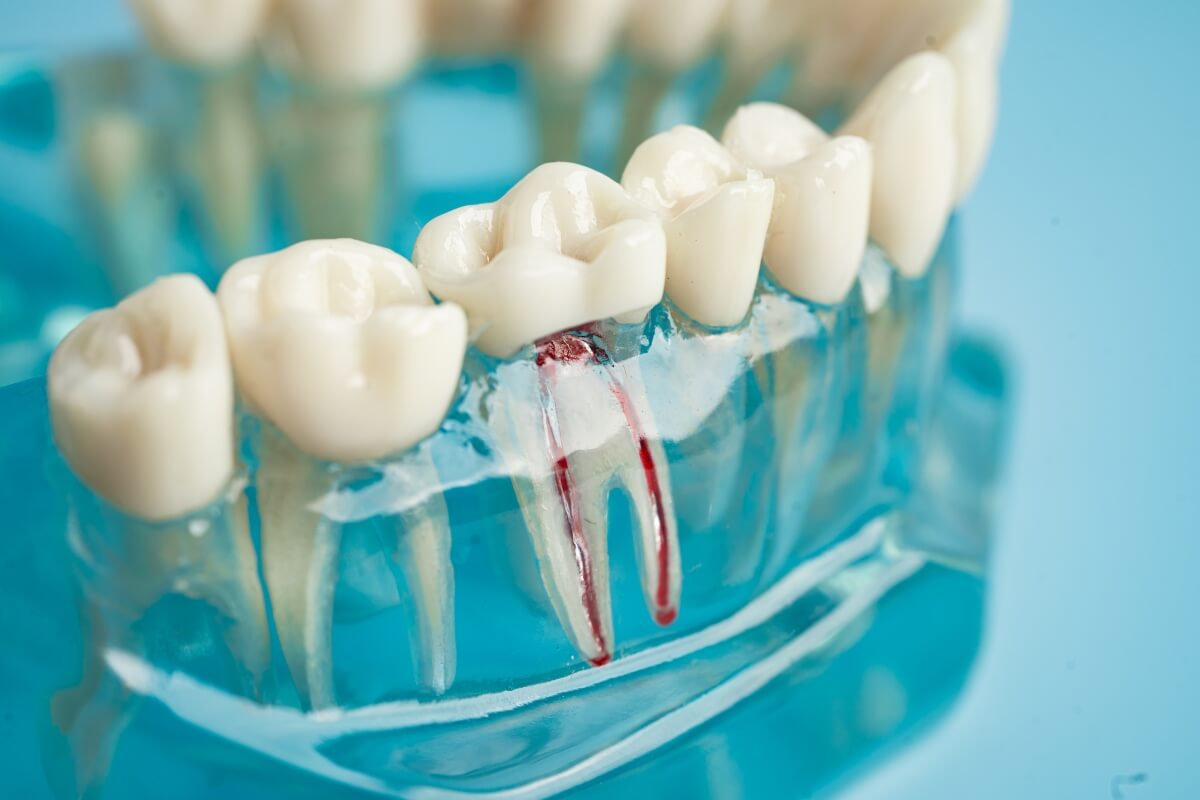
Is the idea of extracting your severely damaged or infected tooth worrying you? Root canal therapy is a safe, highly effective treatment that can save your natural tooth and restore its function, even when it appears beyond help. By opting for root canal therapy, you are choosing to save your tooth and avoid extraction, which may involve its own complications.
Root canal therapy is commonly misunderstood as a painful process or one attempted only in cases of severe decay affecting the tooth pulp. It’s actually quite a standard procedure to clear an infection in the pulp of the tooth, allowing it to be preserved. And, with proper care, a root canal-treated tooth can last for many years, saving you from the more complex and costly solution of extraction with replacement by a dental implant or bridge. Let’s take a closer look at how root canal therapy can save your tooth and why it should always be considered before extraction.
What is Root Canal Therapy?
The purpose of root canal therapy, also known as endodontic treatment, is to remove the infected or damaged pulp inside a tooth. The pulp contains nerves, blood vessels, and connective tissue. When the pulp becomes infected, either due to deep decay or injury, it can cause intense pain and compromise the tooth’s overall health. The dentist or endodontist removes the infected pulp, cleans and shapes the inner chambers of the tooth, and seals it.
This procedure is often the best option to save a tooth that would otherwise need to be extracted. Many patients report minimal discomfort after the procedure, especially compared with the pain from an untreated infected tooth. With root canal therapy in Hagerstown, MD, you can retain your natural smile as the process restores the function and appearance of your tooth.
Steps of Root Canal Treatment
Knowing the root canal treatment steps can reduce your anxiety to a great extent. In general, the process involves the following stages:
- Initial Consultation: Your tooth will be assessed by a dentist or an endodontist using X-rays to determine the extent of the infection, which will dictate the need for root canal treatment.
- Anesthesia: The procedure is performed under local anesthesia, so you remain comfortable and pain-free throughout.
- Pulp Removal: The infected pulp is carefully removed from the interior of the tooth.
- Cleaning and Shaping: The tooth’s interior is cleaned, shaped, and disinfected to eliminate any remaining bacteria.
- Sealing the Tooth: After cleaning, the tooth is sealed to avoid further infections.
After treatment, your dentist or endodontist may recommend a crown to protect your tooth better and restore its strength.
Recovery Time After a Root Canal
Most people ask about root canal recovery time and how long it may take to get back to normal. The recovery time is usually quite short. Most patients can get back into daily activities within one or two days following the procedure. You may experience some minor discomfort or swelling, which can be managed with over-the-counter pain medications. Your dentist will also give you guidelines on how to care for your tooth during this period of healing.
Recovery from this procedure varies among people, but most healing occurs within a short time, usually weeks. Your dentist will provide important aftercare instructions and schedule follow-up appointments to ensure your tooth is healing well.
Why Root Canal Therapy is Better Than Extraction
While extraction is sometimes necessary, it should always be the last resort. The advantages of root canal therapy are:
- Preserves Your Natural Tooth: When you save the tooth, you maintain the structural form of the mouth and, therefore, are able to chew properly and keep other teeth from shifting out of place.
- Avoids More Invasive Treatments: An extracted tooth can often be replaced with a dental implant or bridge, which involves additional procedures, time, and expense.
- Reduces the Risk of Infection: Keeping your natural tooth helps reduce the chance of infection spreading to other teeth or gum tissue, which can occur with extraction.
When performed properly by an experienced dentist or endodontist, root canal therapy is a safe and effective way to save your tooth and prevent the complications that can arise from tooth loss.
Your Healthy Smile Awaits
Saving your tooth improves your long-term dental health and helps you retain your smile. If you are considering a root canal or want to learn more about the procedure, consult an experienced dentist or endodontist near you to get the best possible treatment for your needs.
Are you looking for a professional dentist or endodontist near you? At Hagerstown Family Dental, we are here to guide you through root canal therapy from start to finish so you feel well-informed and comfortable throughout. If you have tooth pain or suspect that you might need root canal treatment, do not wait any longer. Contact us today to book a consultation and take the first step toward saving your natural tooth and your oral health.
FAQs
What is the success rate of root canal therapy?
Root canal therapy has a high success rate, with studies showing a success rate of over 95%. Proper aftercare and follow-up visits are crucial to ensure the best results.
Does root canal therapy hurt?
Most patients report minimal discomfort during and after the procedure, especially with the use of local anesthesia. Any pain can usually be managed with over-the-counter medications.
How long does a root canal take?
The procedure usually takes one to two hours, depending on the complexity of the case. Your dentist will give you a more accurate estimate based on your specific needs.
Can a tooth with a root canal still get infected?
While rare, it’s possible for a tooth to become reinfected. However, this is usually preventable with proper care and maintenance.
What happens if I don’t get a root canal?
If a tooth requires a root canal and it’s not treated, the infection can worsen, causing severe pain and leading to the loss of the tooth. Extraction may become the only option.