

As a parent in Paramount-Long Meadow, you want the best protection for your child’s smile. Many families ask whether sealants and fluoride really protect your child’s teeth in Paramount-Long Meadow — or whether they’re worth the fuss. These two preventive tools are among the most studied in pediatric dentistry. This article breaks down the science, addresses common concerns, and helps you make an informed decision.
What Are Dental Sealants and How Do They Work?
Dental sealants are thin, protective coatings applied to the chewing surfaces of back teeth. Molars have deep grooves where food and bacteria easily hide. A toothbrush often can’t reach those grooves effectively. Sealants fill those grooves and create a smooth surface that’s much easier to clean.
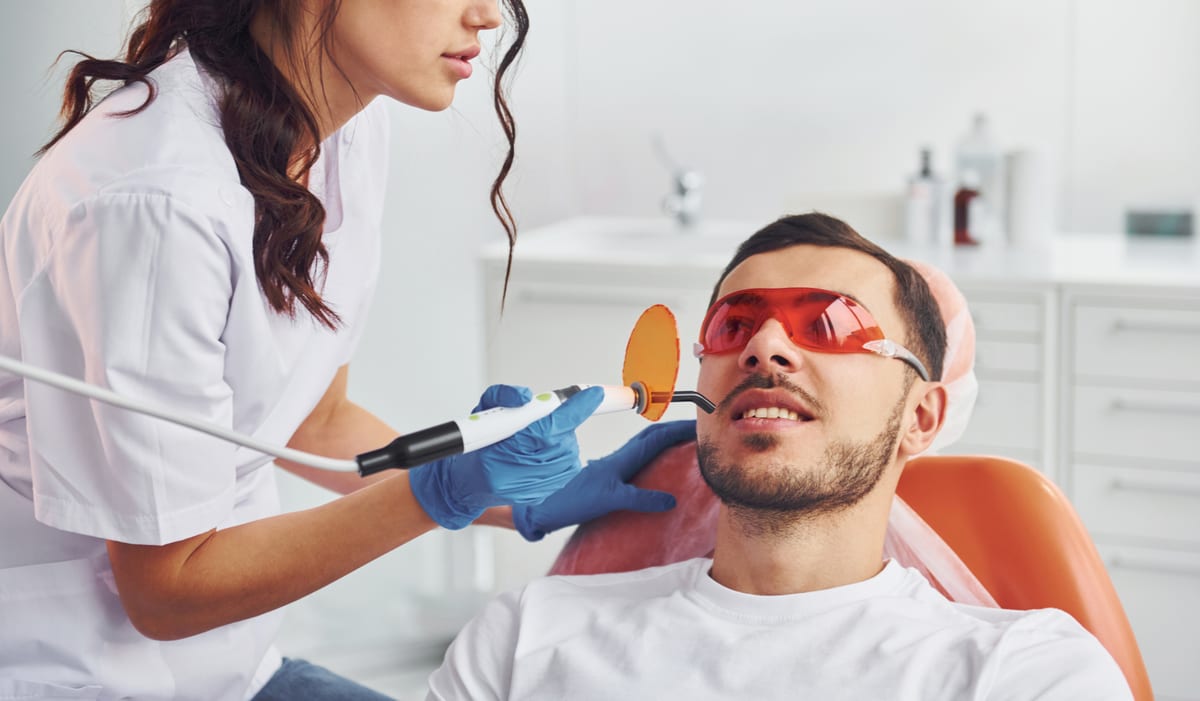
The application process is quick and painless. Dr. Sidney Cradduck cleans the tooth, applies a mild conditioning gel, and then paints on the sealant material. A special curing light hardens it in seconds. No drilling or numbing is required.
Sealants are most effective when applied soon after permanent molars emerge. The first set typically comes in around age six. The second set usually arrives around age twelve. Acting early gives children years of added protection during their most cavity-prone stage.
How Does Fluoride Protect Your Child’s Teeth in Paramount-Long Meadow?
Fluoride is a naturally occurring mineral found in soil, water, and many foods. It strengthens tooth enamel by helping it resist acid attacks from bacteria. This process is called remineralization. Research spanning over seventy years consistently supports fluoride’s effectiveness.
Children receive fluoride through multiple sources. Community water fluoridation is one of the most impactful public health measures ever implemented. Fluoride toothpaste and professional fluoride treatments at the dentist add another layer of protection.
During a routine visit, Dr. Cradduck may apply a concentrated fluoride varnish to your child’s teeth. This takes only a few minutes. The varnish slowly releases fluoride over several hours after the appointment. Many families in Paramount-Long Meadow include this treatment as part of their child’s regular care.
- Fluoride strengthens enamel before cavities can form
- It can reverse early-stage tooth decay
- Professional fluoride treatments are safe and fast
- Fluoride works at every age, from toddlers to teens
Are Sealants and Fluoride Safe for Children?
Parent concerns about safety are completely valid. Both treatments have been reviewed extensively by dental and medical organizations worldwide. The American Dental Association, the American Academy of Pediatrics, and the World Health Organization all endorse them.
Some parents worry about BPA in sealant materials. Modern sealants contain only trace amounts, far below any harmful threshold. The exposure is brief and minimal. Studies confirm the health risks of untreated cavities far outweigh any theoretical concern about sealant materials.
Fluoride safety is also well-documented. The key factor is appropriate dosage. Professional applications are carefully controlled. At-home products are formulated for safe use by children at specific ages. Dr. Cradduck discusses the right fluoride approach for each child based on age, diet, and cavity risk.
- Sealants are BPA-free or contain only negligible trace levels
- Fluoride varnish is applied in small, controlled amounts
- Both treatments meet rigorous safety standards
- Risks of untreated cavities are significantly greater
What Does the Evidence Actually Say?
The evidence for both treatments is strong and consistent. Studies show sealants reduce cavity risk in back teeth by up to 80 percent in the first two years. That protection continues for many years when sealants are maintained properly. The CDC recognizes sealants as a proven public health intervention.
Fluoride’s track record is equally impressive. Communities with fluoridated water show significantly lower rates of tooth decay. Professional fluoride treatments reduce cavities in children by roughly 33 percent. These numbers reflect decades of peer-reviewed research across diverse populations.
It’s also worth noting what happens without these interventions. Untreated cavities in children cause pain, missed school days, and more complex dental work later. Prevention is not just about aesthetics — it directly supports your child’s overall health and quality of life.
Families interested in long-term oral health may also explore Cosmetic Dentistry Paramount-Long Meadow options as children grow older. And for adults considering tooth replacement, Implant Dentistry Paramount-Long Meadow is another service available through our practice.
When Should Your Child Start These Treatments?
Timing matters when it comes to preventive dental care. Fluoride can begin as soon as teeth appear — often around six months of age. A tiny smear of fluoride toothpaste is recommended from the first tooth through age three. A pea-sized amount is appropriate from ages three to six.
Sealants become relevant when permanent molars arrive. Most children get their first permanent molars around age six. The second set comes around age twelve. Dr. Cradduck evaluates each child individually to determine the right timing.
Some children with deep grooves in baby teeth may also benefit from sealants earlier. Every mouth is different. That’s why personalized assessments during routine visits are so valuable. Dr. Cradduck takes time to explain all options clearly so you feel confident in the plan.
Frequently Asked Questions
How long do dental sealants last?
Sealants typically last between five and ten years with proper care. Dr. Cradduck checks them at each routine visit. If a sealant chips or wears down, it can be reapplied easily. Regular monitoring ensures your child stays protected throughout their cavity-prone years.
Is fluoride treatment different from fluoride toothpaste?
Yes. Professional fluoride varnish applied in our office contains a much higher concentration than over-the-counter toothpaste. It is applied in small, controlled amounts directly to the teeth. The higher concentration provides stronger, longer-lasting protection after each application.
At what age should my child first see a dentist?
The American Academy of Pediatric Dentistry recommends a first dental visit by age one or when the first tooth appears. Early visits help establish healthy habits and allow Dr. Cradduck to catch any concerns before they become bigger problems. Starting early builds a positive relationship with dental care.
Can sealants be placed over cavities?
Sealants are designed to prevent cavities, not treat existing ones. If a cavity is already present, it must be treated before or instead of placing a sealant. Dr. Cradduck thoroughly examines each tooth before applying any sealant to ensure the surface is healthy and cavity-free.
Do children with low cavity risk still benefit from fluoride and sealants?
Yes. Even children with good brushing habits and low sugar diets can develop cavities in hard-to-reach areas. Sealants and fluoride add a reliable safety net. Prevention is far simpler and less stressful than treatment. Most dental professionals recommend these tools for all children, regardless of current cavity risk level.
At Hagerstown Family Dental, Dr. Sidney Cradduck is committed to helping Paramount-Long Meadow families make confident, informed choices about their children’s oral health. Preventive care like sealants and fluoride is one of the most effective investments you can make for your child’s future smile. Book Now to schedule your appointment with our team.